
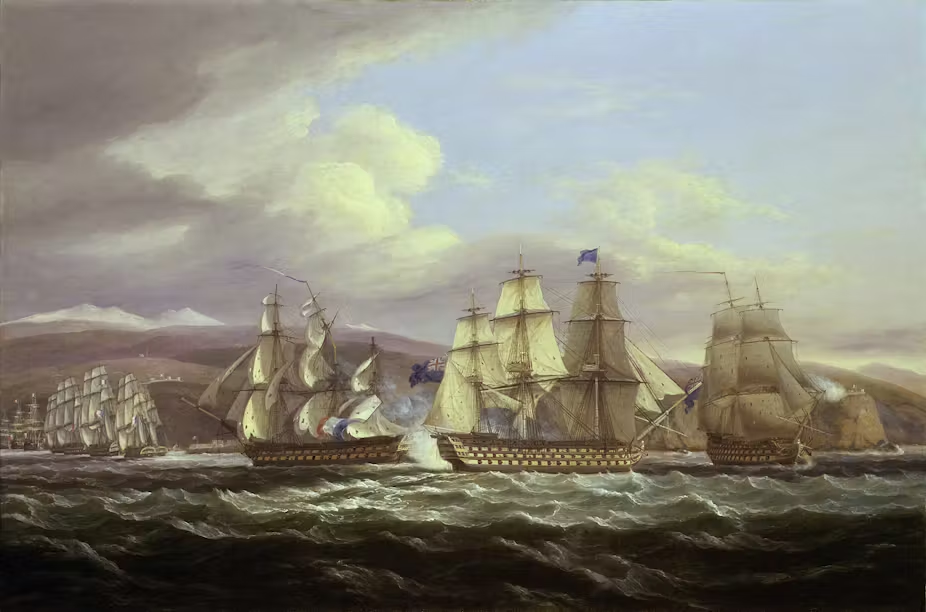
How the British defeated Napoleon with citrus fruit
Reading time: 5 minutes
Everyone knows that Britain’s conclusive victory over Napoleon was at Waterloo. The story of that day – the squares of infantry repulsing cavalry charges, the Imperial Guard retreating under murderous musket fire delivered by a red line of soliders, the just-in-time arrival of Field Marshal Blücher’s Prussian army – is one of excitement, horror and heroism. However, Britain’s biggest contribution to Napoleon’s defeat was much less romantic. It involved the first randomised controlled trial.
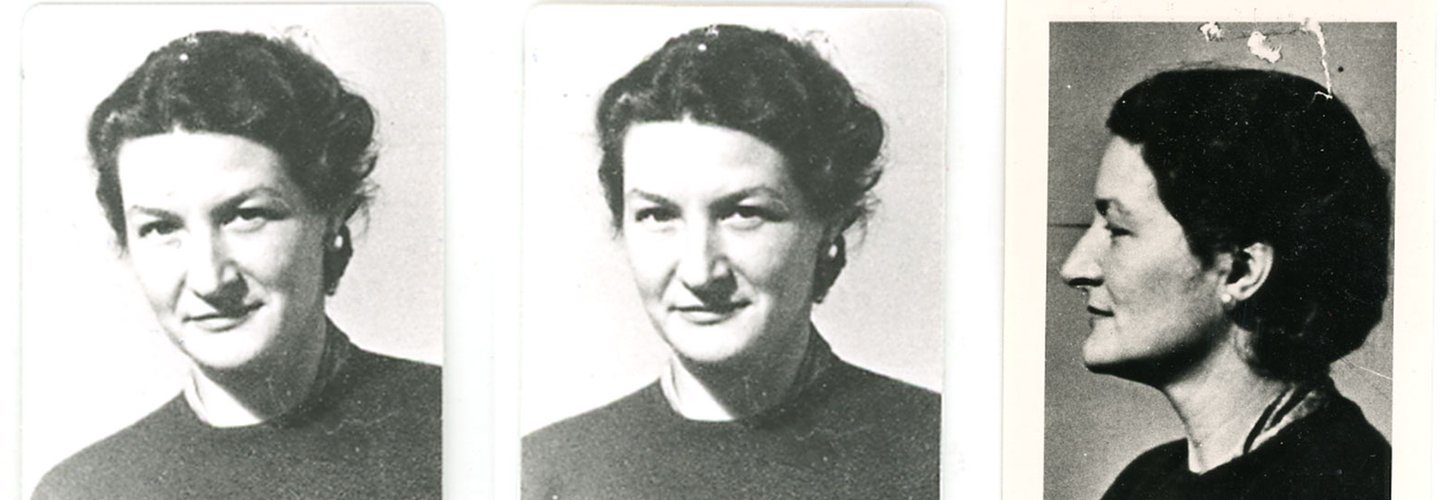
Virginia Hall, SOE Agent to CIA Pioneer
Reading time: 10 minutes
Virginia Hall (1906–1982) was an American woman who served with the British Special Operations Executive in France in 1941–1942. She then joined its US equivalent, the Office of Strategic Services, and became a founding member of the Central Intelligence Agency.
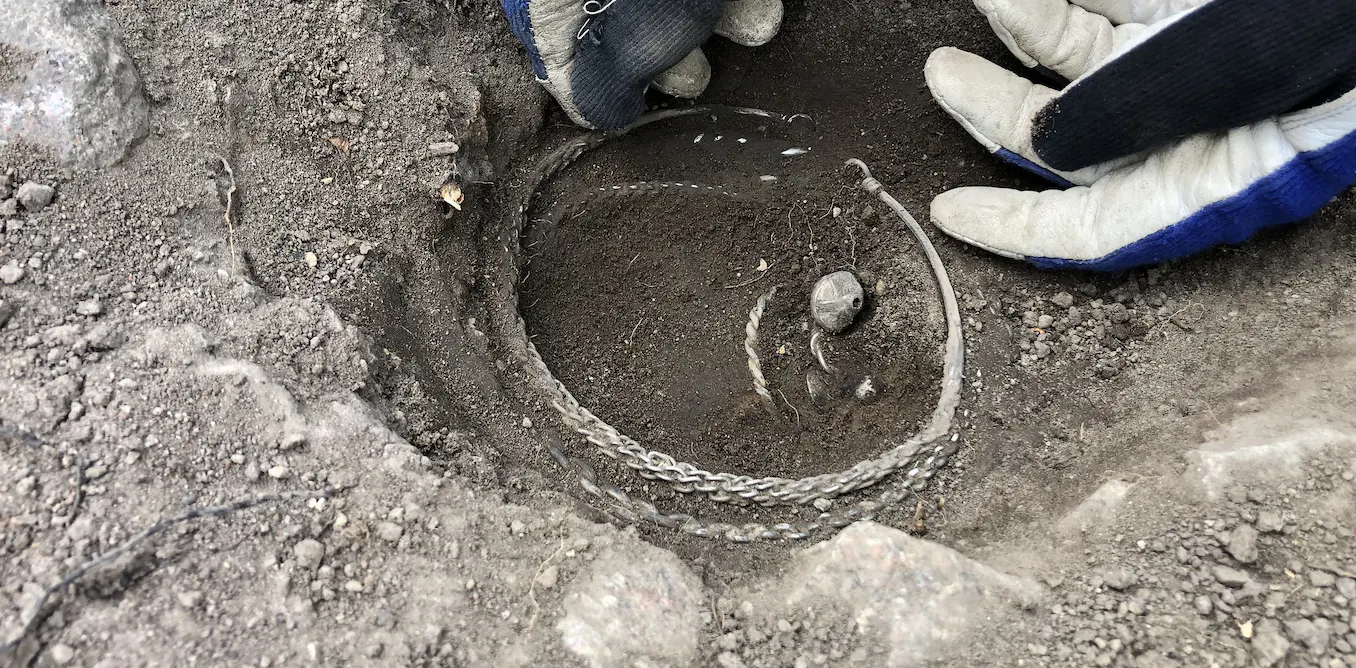
Swedish Viking hoard: how the discovery of single Norman coin expands our knowledge of French history
Reading time: 5 minutes
In the autumn of 2020, I was contacted by the field archaeology unit of the Swedish National Historical Museums, who are also known as the Archaeologists. They were excavating at a Viking-age settlement at Viggbyholm just north of Stockholm. During routine metal detecting of the site, they had located a very exciting find: eight silver necklaces and other silver jewellery along with 12 coins, everything delicately wrapped up in a cloth and deposited in a pot. In other words, a genuine Viking silver hoard.
Australia’s long dread of France in the South Pacific
Reading time: 13 minutes
A striking duality drove Australia’s thinking about France in the 20th century. Expressed as a chant it went: In Europe, Good! In the Pacific, Bad!
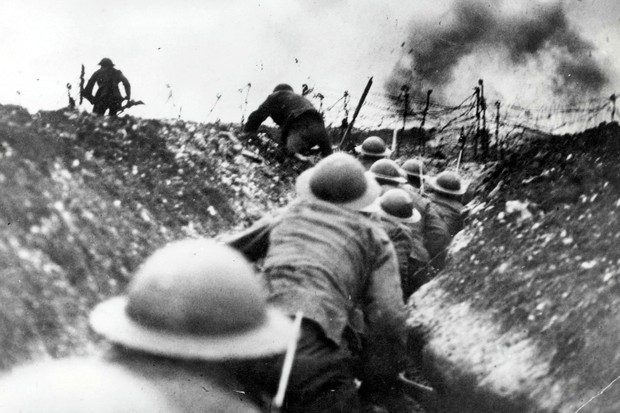
Ireland and the Battle of The Somme
Reading time: 8 minutes
The Somme was the first great action by a British Army on a continental scale. It was the longest, bloodiest battle of World War One, a campaign lasting four and a half months, and fought over a twenty-mile front near the Somme. In February 1916 Allied commanders had decided to launch an infantry offensive there,
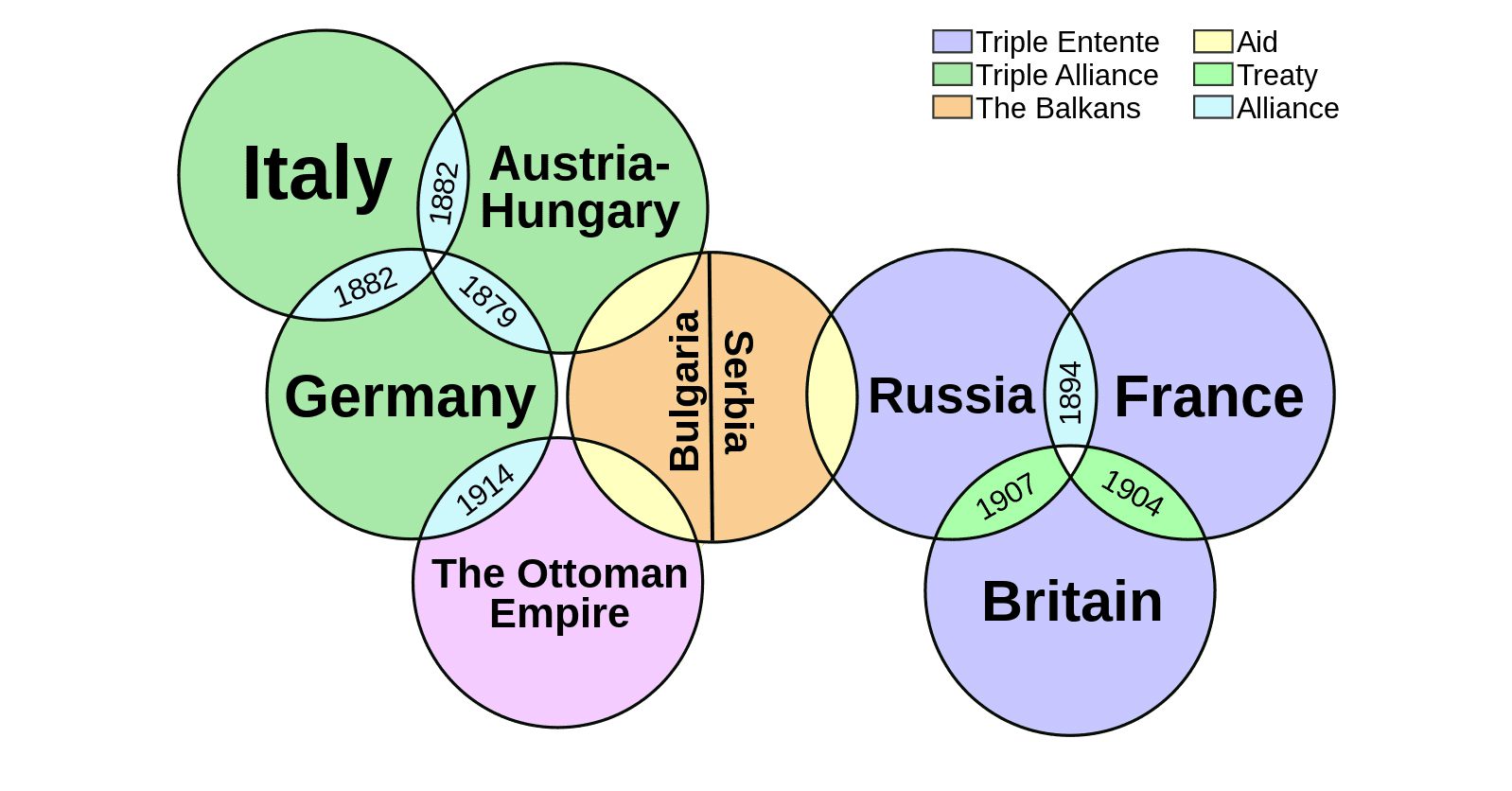
The debate on the origins of the First World War
Reading time: 5 minutes
The way historians have viewed the causes of WWI has changed in the hundred years since war broke out. This article explores the origins of the Great War.
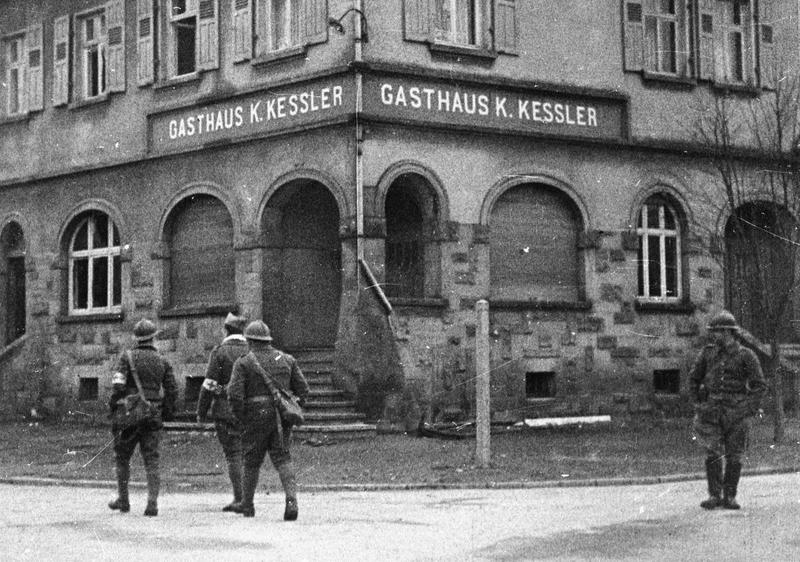
The Saar Offensive 1939: When France invaded Germany
Reading time: 7 minutes
In September 1939, as German armies overran large swathes of Poland far to the east, the French launched an offensive of their own. Their goal was to capture the Saarland, the area between the French border and the German Siegfried line and force the Germans to transfer divisions away from Poland. The Saar Offensive of 1939 had begun.
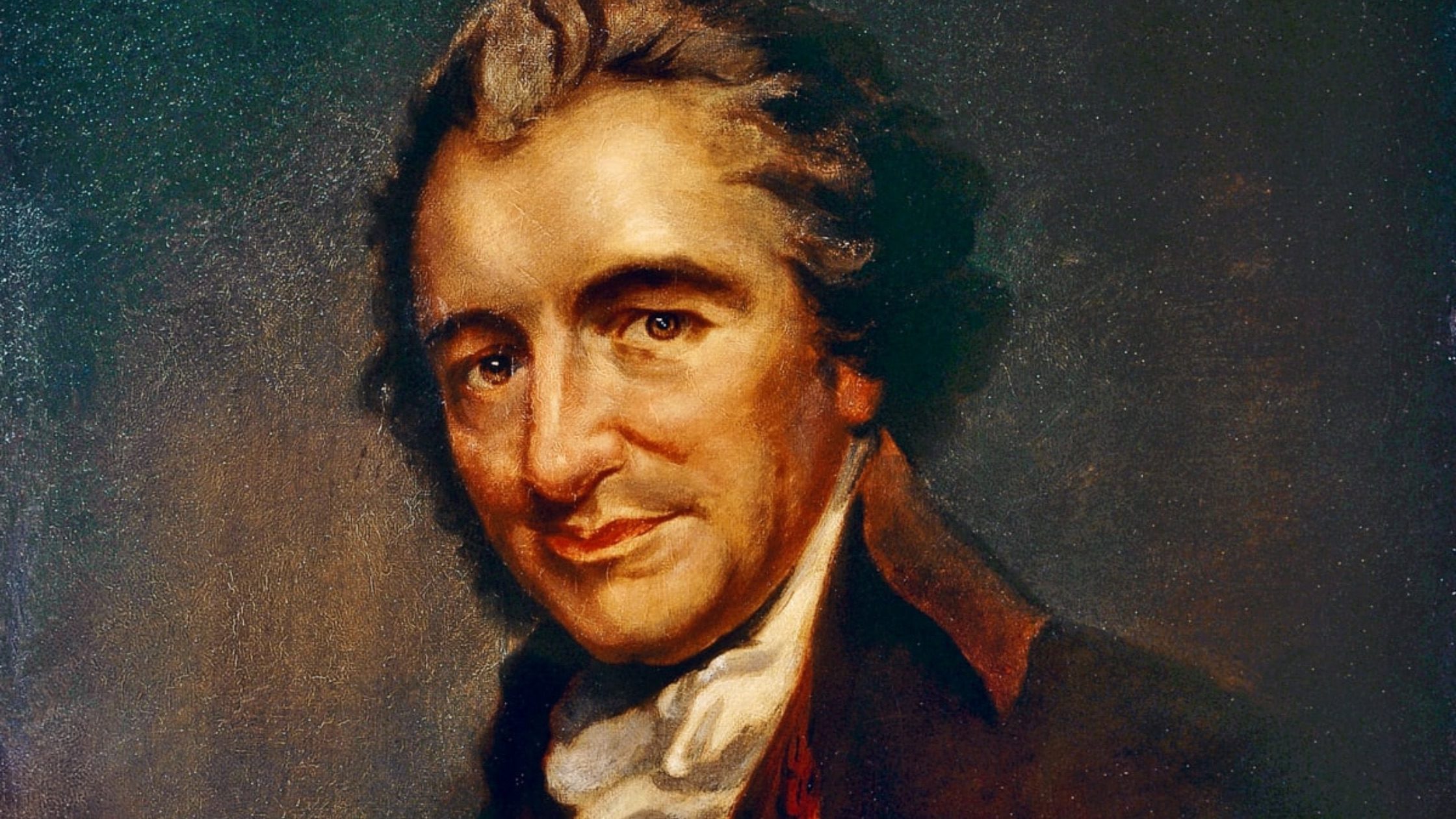
‘Wicked and seditious writings’ – Thomas Paine, Rights of Man and treason
Reading time: 10 minutes
In December 1792, detachments of the 2nd Dragoon Guards across the Southwest of England staged spectacles of hate. A dummy was paraded through the towns on an ‘ass’ led by a hangman, the crowd of soldiers and residents encouraged to subject it to ‘every possible mark of indignity’. At the customary place of execution, it was burned amidst repeated exclamations of ‘“God Save the King”, and constant cheering and huzzahring’. The dummy was an effigy, of the radical writer Thomas Paine.
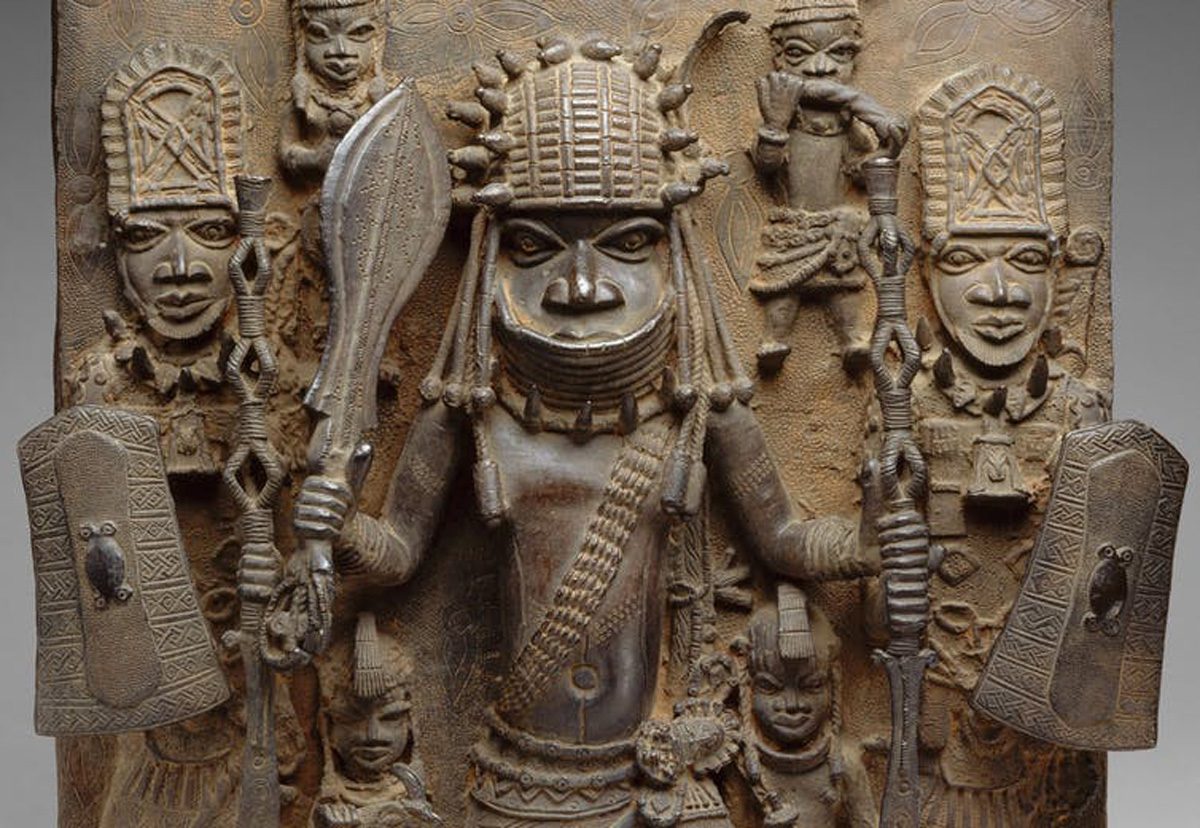
Returning looted artefacts will finally restore heritage to the brilliant cultures that made them
Reading time: 6 minutes
European museums are under mounting pressure to return the irreplaceable artefacts plundered during colonial times. As an archaeologist who works in Africa, this debate has a very real impact on my research. I benefit from the convenience of access provided by Western museums, while being struck by the ethical quandary of how they were taken there by illegal means, and by guilt that my colleagues throughout Africa may not have the resources to see material from their own country, which is kept thousands of miles away.
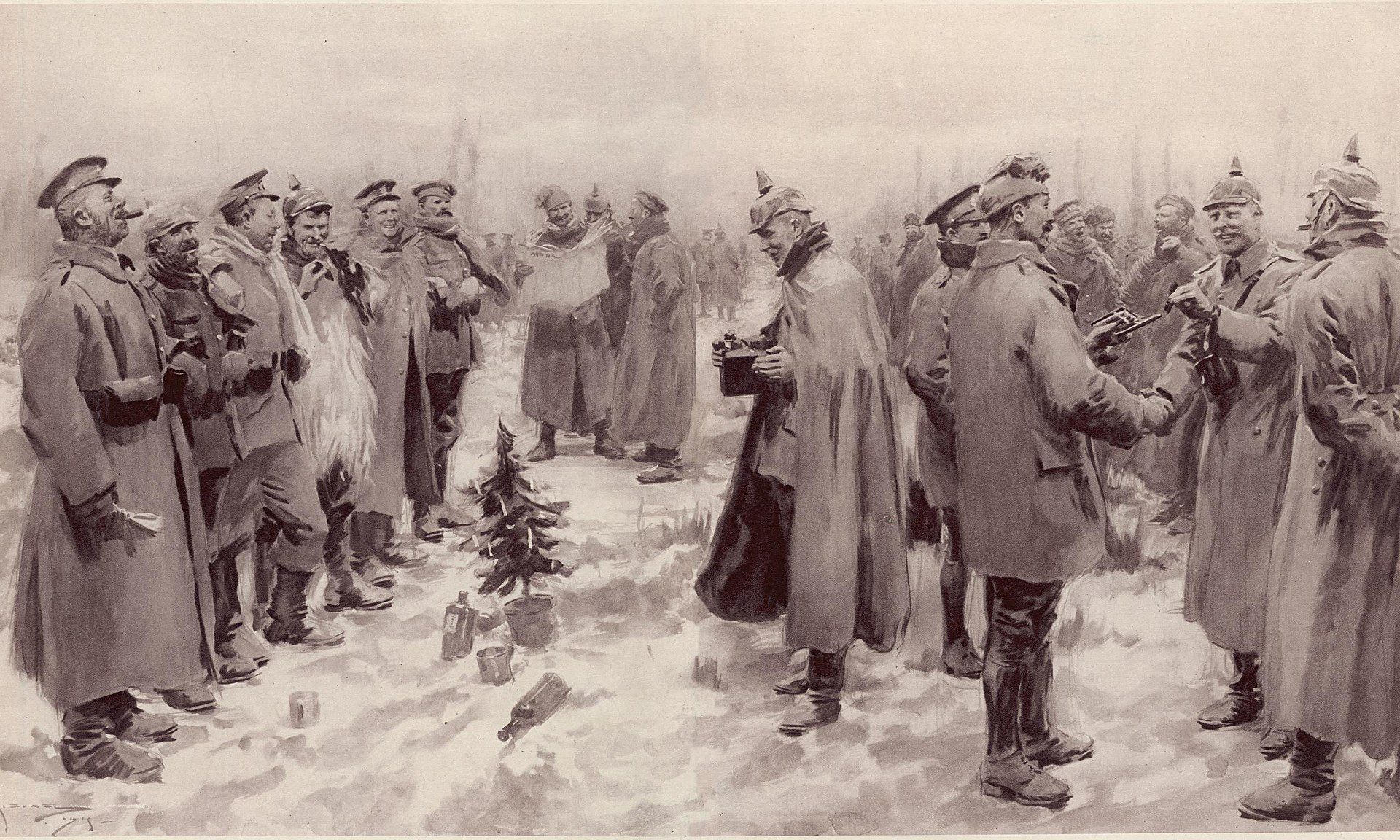
The Christmas truce, 1914
Reading time: 7 minutes
The Christmas truce of 1914 will generally conjure up images of opposing British and German soldiers walking calmly across No Man’s Land, exchanging gifts and playing football. These images have become reinforced via personal memoirs, dramatisations and films. This blog post in memory of the unofficial ceasefires which occurred during the Christmas period of December 1914 will use unit war diaries, from WO 95, to reflect upon the events that occurred on Christmas Day 1914, some of which were very contrasting.
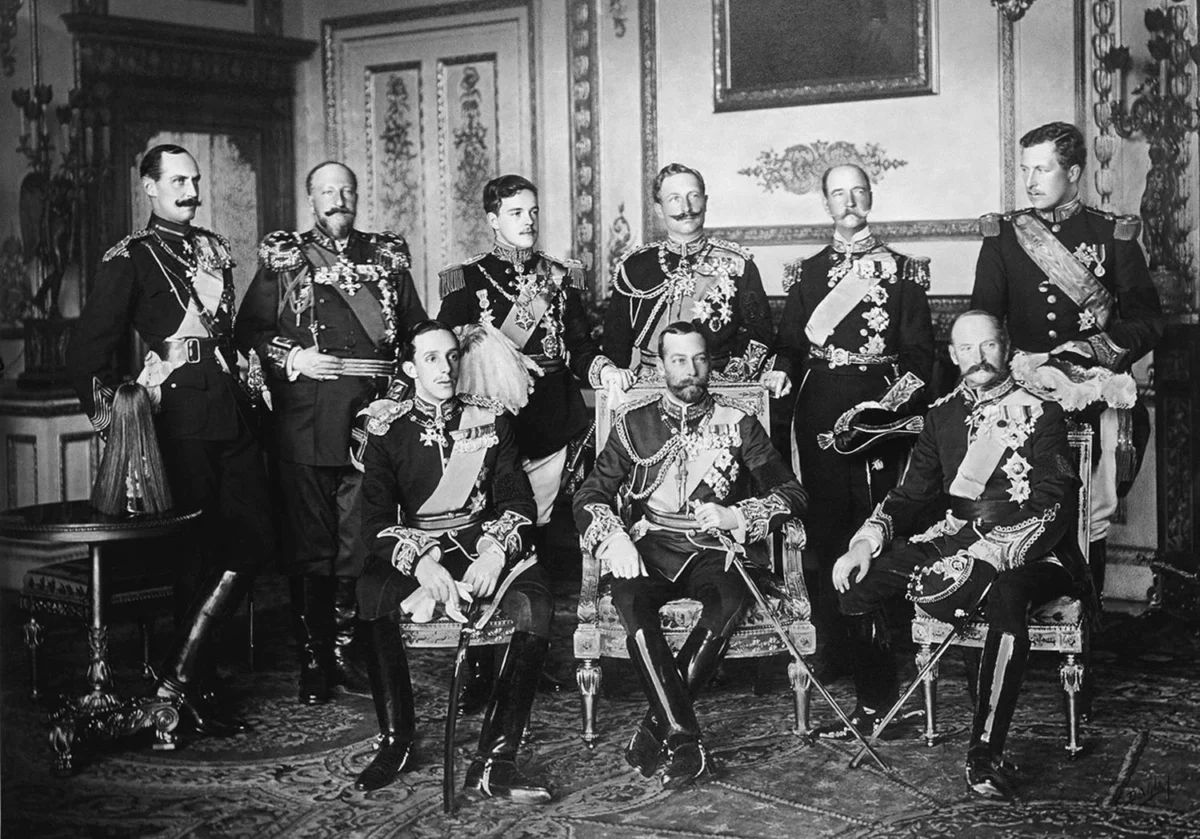
The debate on the origins of the First World War
Reading time: 5 minutes
The way historians have viewed the causes of WWI has changed in the hundred years since war broke out. This article explores the origins of the Great War.
How could the death of one man, Archduke Franz Ferdinand, who was assassinated on 28 June 1914, lead to the deaths of millions in a war of unprecedented scale and ferocity? This is the question at the heart of the debate on the origins of the First World War. Finding the answer to this question has exercised historians for 100 years.
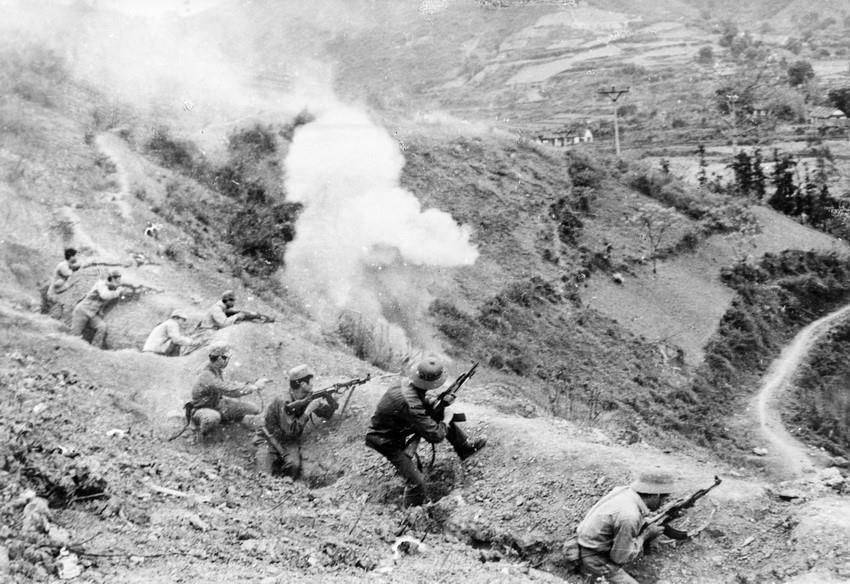
Sino-Vietnamese War
Reading time: 5 minutes
The Sino-Vietnamese war was a short, nasty conflict fought between China and Vietnam in early 1979. Largely forgotten by almost everybody including the belligerents, it was a side plot of the Sino-Soviet split, itself a sideshow to the Cold War. Let’s go over the events before, during and after the war to see what it was all about.
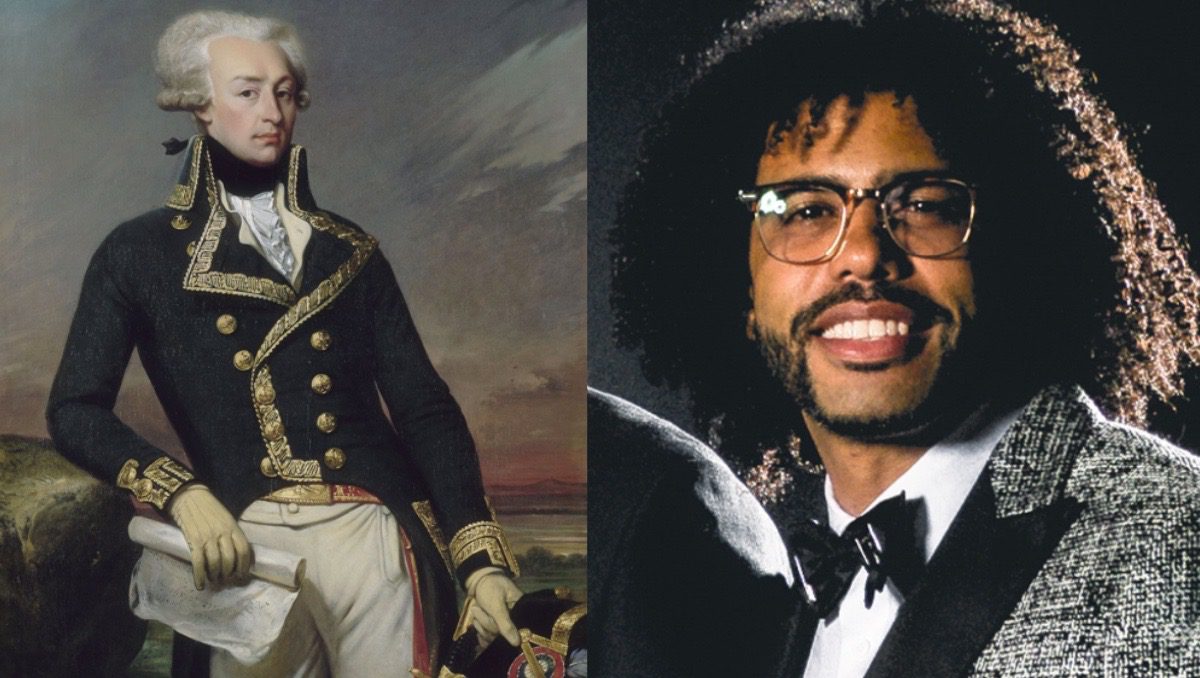
America’s Favourite Fighting Frenchman: Marquis de Lafayette
Reading time: 8 minutes
Hamilton is a smash hit depicting the lives of America’s founding fathers. But, when it comes to Lafayette, it got a few things wrong.
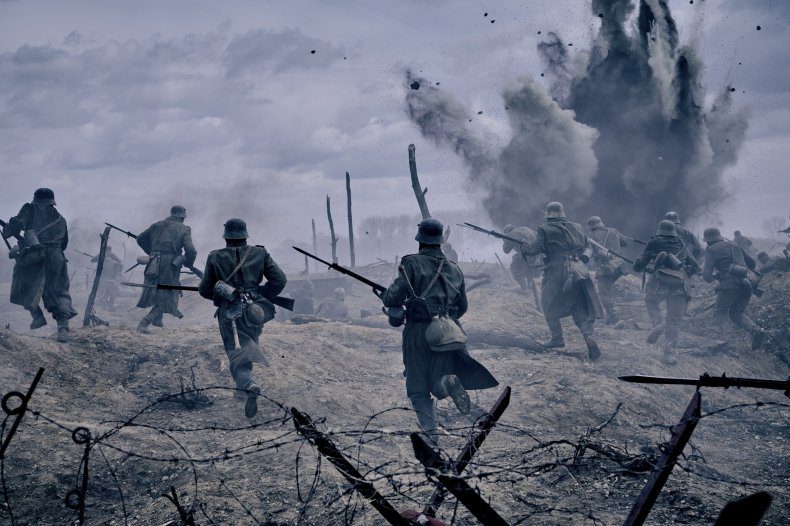
A TALE OF REMEMBRANCE, ADMONITION, AND DESPAIR: ALL QUIET ON THE WESTERN FRONT
Reading time: 6 minutes
The vivid and graphic imagery of the First World War has indeed become a potent symbol of the need for everlasting commemoration, and a continuous reminder of armed conflict’s futility. Yet with the inevitable passing of time, direct links to the “War to end all Wars” have regretfully vanished, with all veterans who served in the trenches now gone. This most special group of soldiers may now be physically silent, but their haunting messages of warning remain.
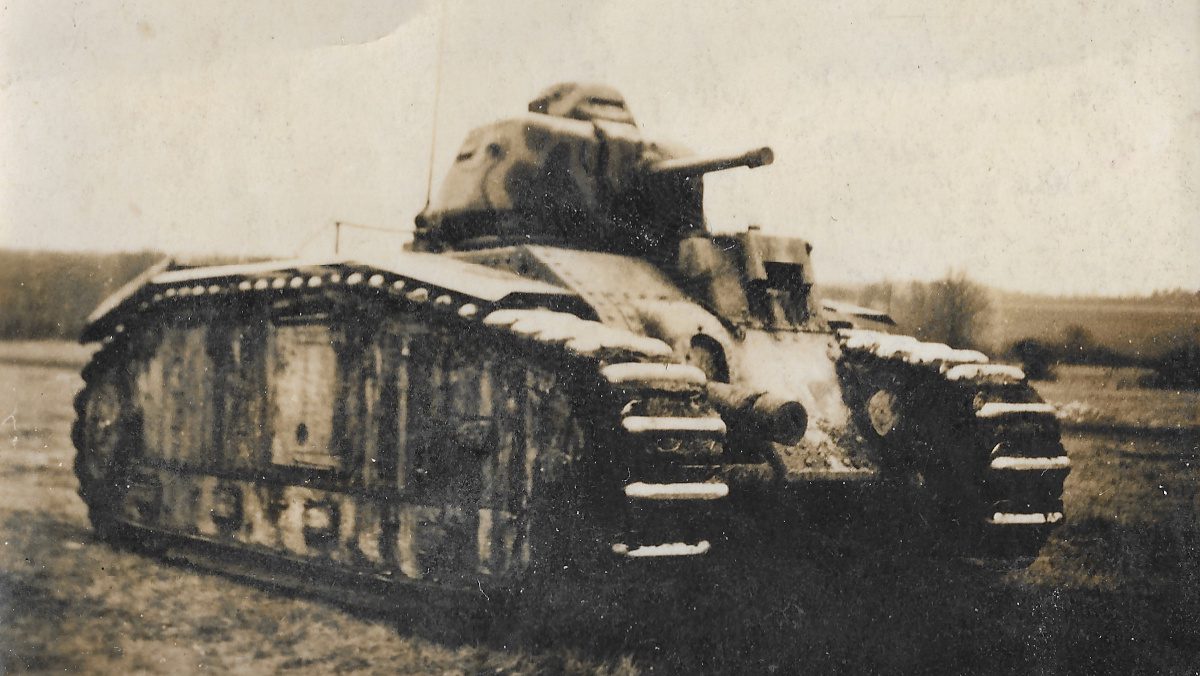
Battle of Stonne, France 1940
Reading time: 5 minutes
The battle for France in 1940 is often portrayed as a rout: the German Wehrmacht simply trounced the French forces within a few weeks, crushing them with military might and tactical ingenuity. However, a few episodes debunk this image and the Battle of Stonne, where a small town in the Ardennes changed hands 17 times in three days, is one of the most prominent.
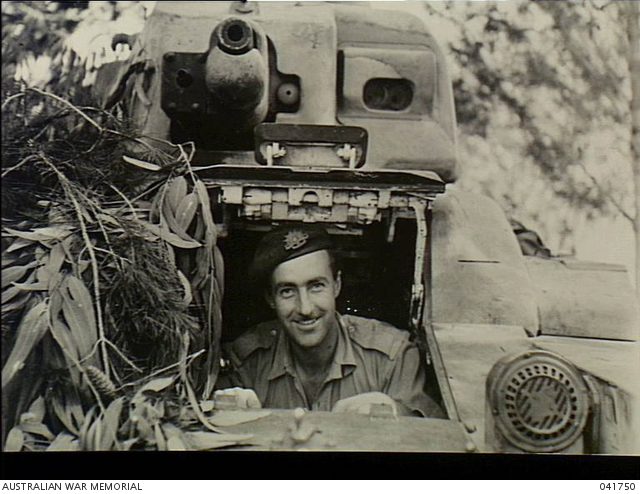
6th Australian Cavalry Reg in the Mediterranean, WW2 – Video
The 6th Australian Cavalry Regiment were the first unit of the AIF to see action in the Western Desert in 1940. This is their story.
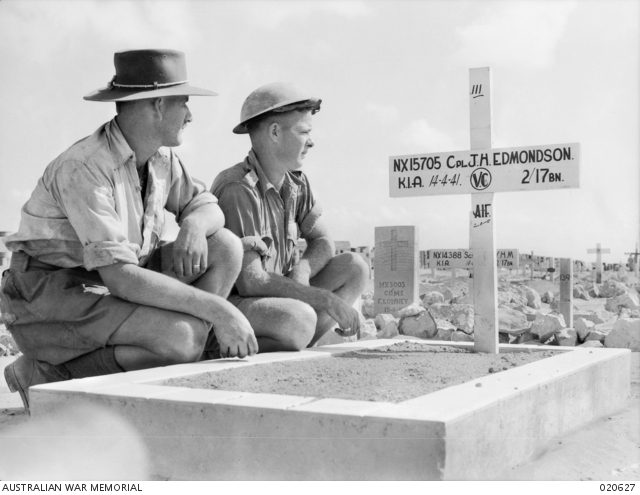
Australian VC’s in the Mediterranean, WW2 – Video
There were six Australian VC recipients during the Mediterranean and North African Campaigns of the second world war. From the heroics of Lt. Roden Cutler in Damour, Corporal Edmondson of the Desert Rats defending Tobruk in 1941 to Sgt. Kibby with his tommy-gun in El Alamein. Learn more about Australian gallantry in the Deserts of North Africa.
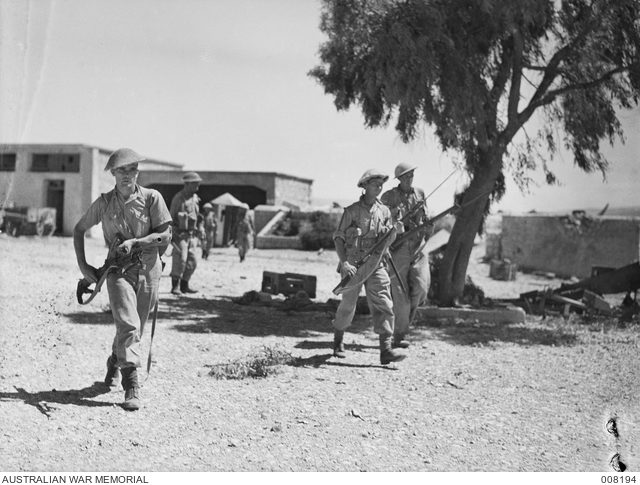
When Australia Fought France, WW2 – Video
Operation Exporter was a little known, but very important campaign for the Australian military. It involved Australian’s fighting a strange war against confused Frenchmen who were not supposed to be our enemy. France had been defeated and subjugated by the Germans. The new French government, installed at Vichy, was answerable to the Führer. With France vanquished, the fate of their territories in Syria and Lebanon became uncertain.
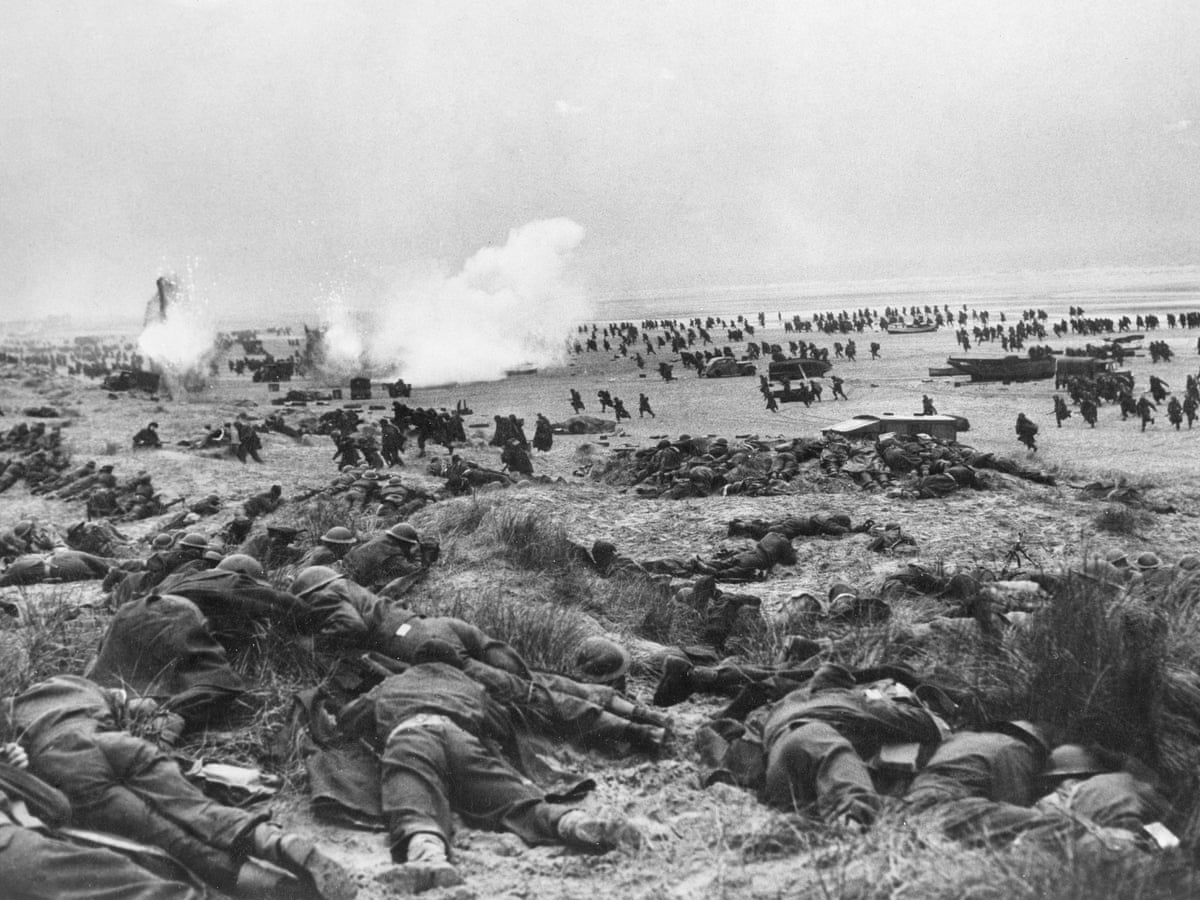
What happened to the French army after Dunkirk
Reading time: 5 minutes
The evacuation of the British Expeditionary Force (BEF) in May 1940 from Dunkirk by a flotilla of small ships has entered British folklore. Dunkirk, a new action film by director Christopher Nolan, depicts the events from land, sea and air and has revived awe for the plucky courage of those involved.
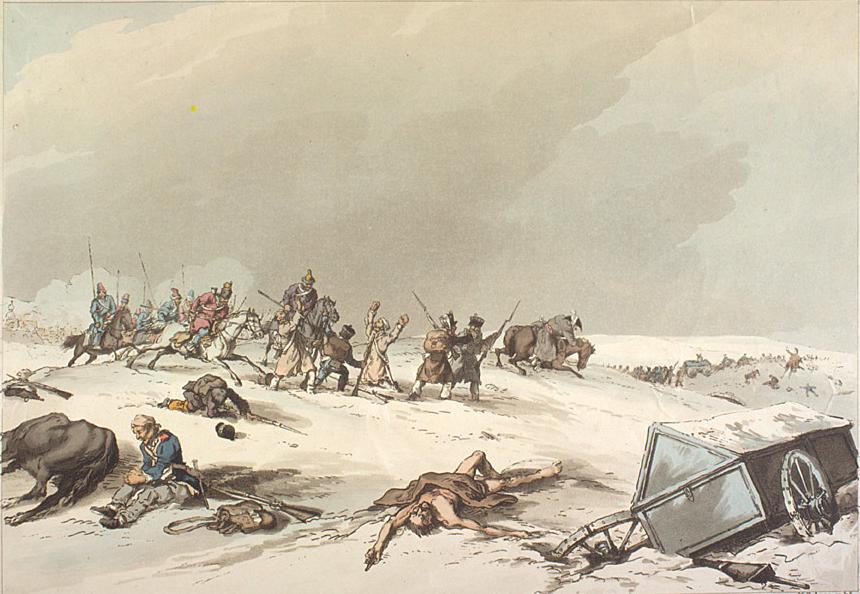
The Beginning of the End: Napoleon’s Retreat from Russia
Reading time: 6 minutes
On 24 June 1812, Emperor Napoleon Bonaparte led the French Grand Army across the Neman River, invading Russia. By this point, the French Emperor had won many military victories, giving him control over most of Europe. However, his invasion of Russia would prove to be a devastating point in the Napoleonic wars and a major blow to his political and military power across Europe.
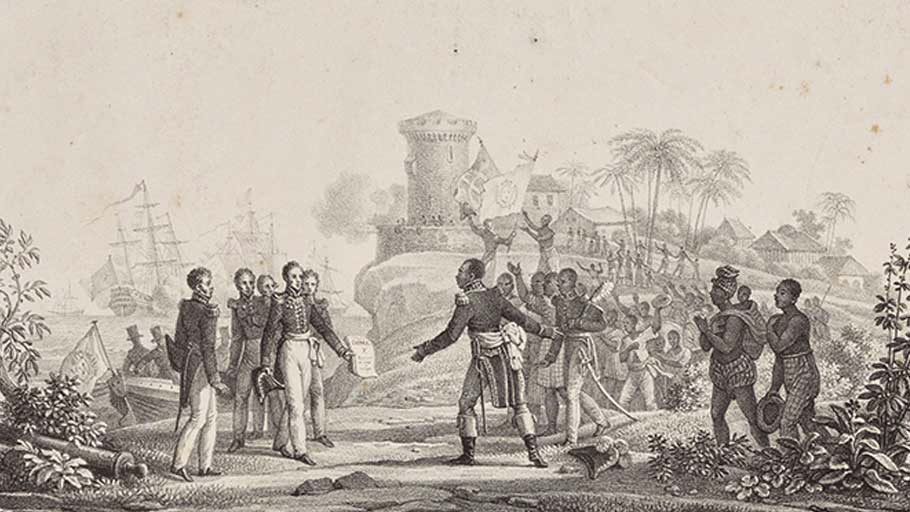
When France extorted Haiti – the greatest heist in history
Reading time: 7 minutes
Much of the reparations debate has revolved around whether the United States and the United Kingdom should finally compensate some of their citizens for the economic and social costs of slavery that still linger today.
But to me, there’s never been a more clear-cut case for reparations than that of Haiti.
A History of the Great War, Volume One – Audiobook
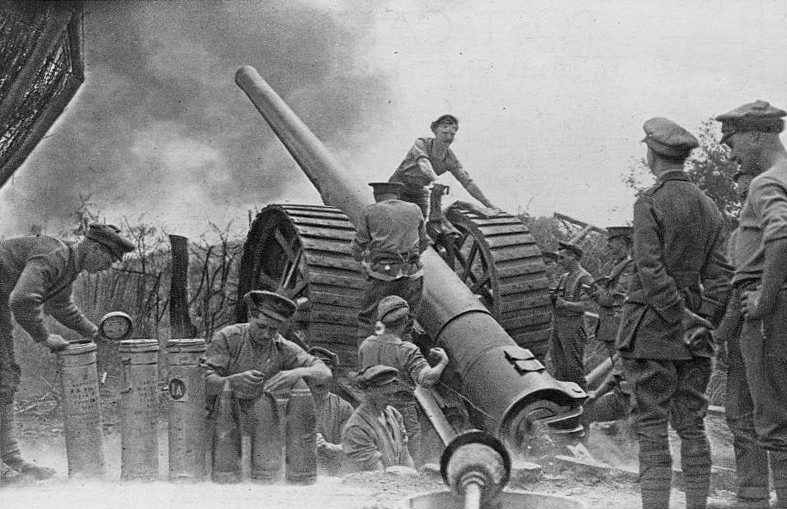
A HISTORY OF THE GREAT WAR, VOLUME ONE – AUDIOBOOK By John Buchan (1875 – 1940) This is the first of a four-volume history of the First World War, covering the period from its outbreak in the summer of 1914 to the campaign in Neuve Chapelle of March 1915. The author, John Buchan, was most widely […]
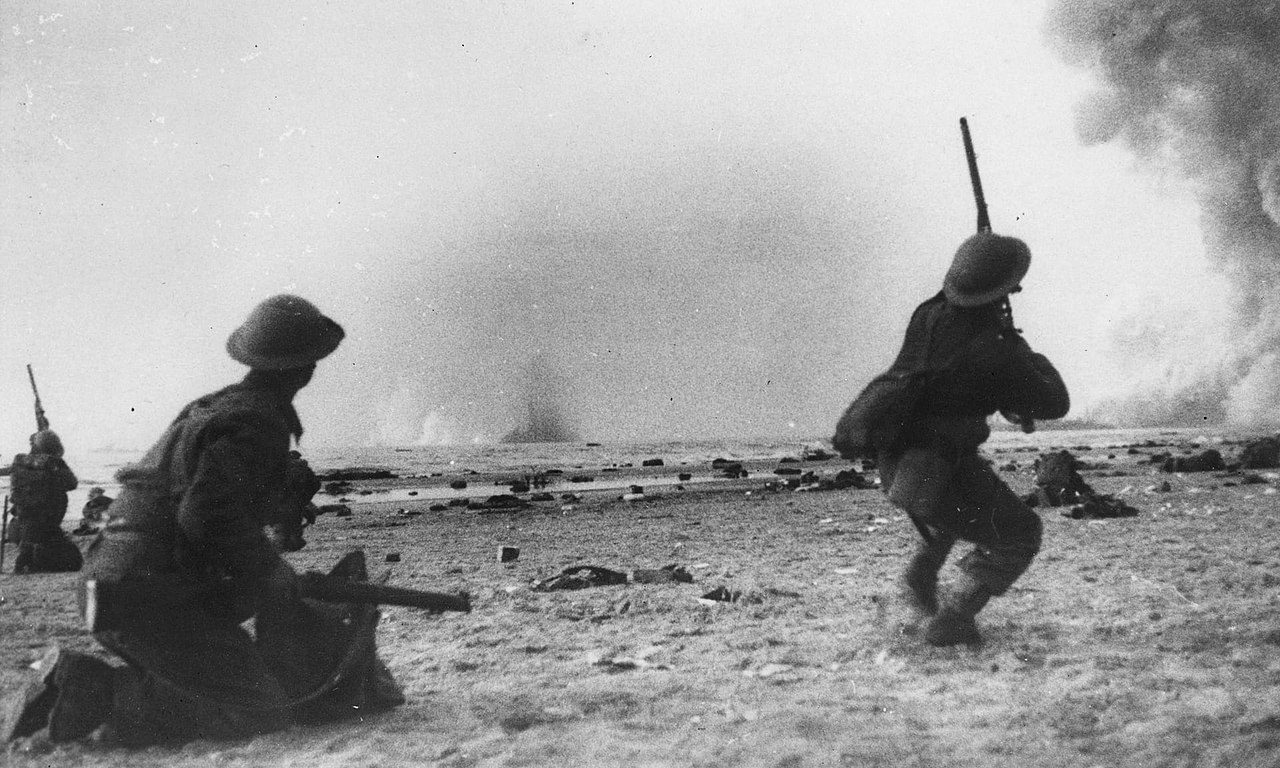
Dunkirk: how British newspapers helped to turn defeat into a miracle
Reading time: 6 minutes.
with the 1963 film of that name starring Steve McQueen, reffering to, of course, a mass escape by Allied prisoners during the second world war. But this title might more appropriately be applied to the rescue of the British Expeditionary Force (BEF) from Dunkirk between May 27 and June 4 1940.
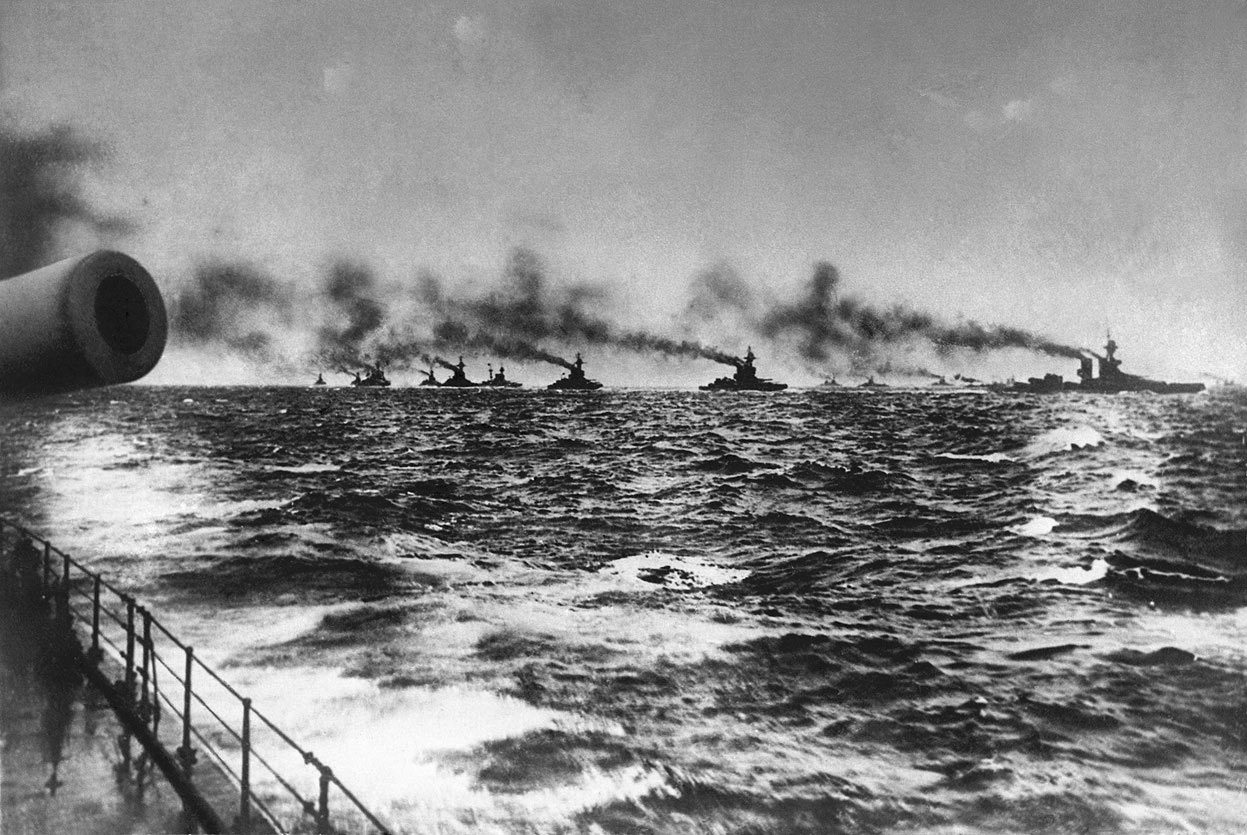
Losing the war in an afternoon: Jutland 1916
1916 was the pivotal year in the First World War. In February German forces attacked the French at Verdun, while 1 July will mark the anniversary of the Anglo-French offensive on the Somme.