

Why the Romans weren’t quite as clean as you might have thought
Reading time: 5 minutes
Prior to the Romans, Greece was the only part of Europe to have had toilets. But by the peak of the Roman Empire in the 3rd century AD, the Romans had introduced sanitation to much of their domain, stretching across western and southern Europe, the Middle East and North Africa. Their impressive technologies included large multi-seat public latrines, sewers, clean water in aqueducts, elegant public baths for washing, and laws that required towns to remove waste from the streets. But how effective were these measures in improving the health of the population?

HISTORICALLY SKEWED AND MUSICALLY SUBLIME: AMADEUS AT 40
Reading time: 9 minutes
In the pantheon of Western classical music an esteemed list of names has captured the admiration and attention of the public for centuries. From the Baroque masters of Bach and Handel, the classical giants of Beethoven and Haydn, and the romantic poets of Chopin and Liszt, much of society’s collective fascination with these composers has extended far beyond just their musical creations. Who were they and how did they write such exquisite melodies? In attempting to learn more about the lives of these men who continue to move so many around the world, personal portraits emerge of seemingly ordinary beings. An ordinariness that vanished when pen was put to paper, and a musical sublimeness was born.
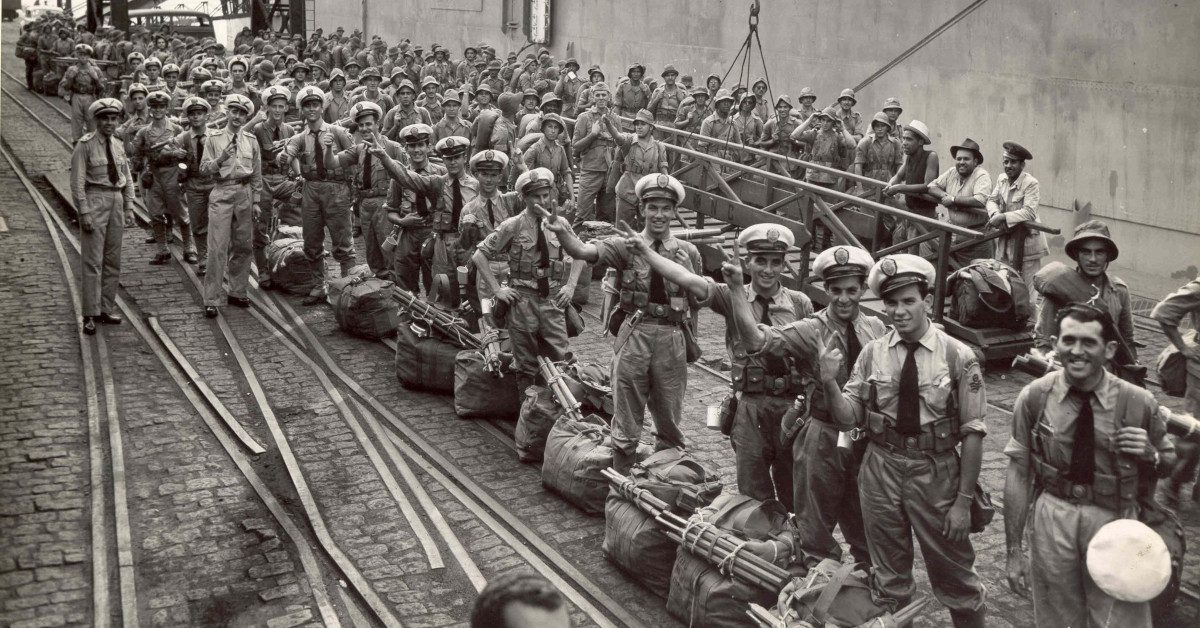
Smoking Snakes: Brazil’s Forgotten WW2 Fighting Men
Reading time: 12 minutes
One of the most unusual forces ever to join the fighting in Europe: the 25,000 Brazilian soldiers and pilots of the Brazilian Expeditionary Force. An idea born out of political necessity, the “Smoking Snakes” played a brief, important, and fascinating role in the fighting in Europe.
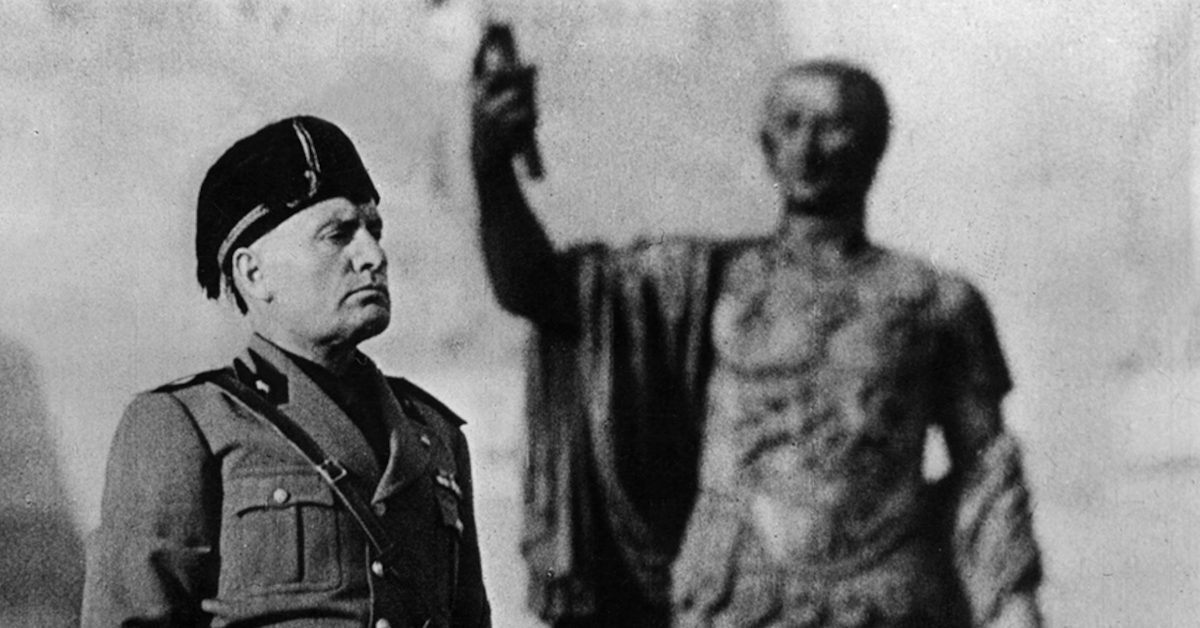
THE FORGOTTEN WAR CRIMES OF FASCIST ITALY
Reading time: 14 minutes
In just five short years, the combined forces of the Axis powers managed to commit atrocities and war crimes on a scale never equalled before or after. But while Axis war crimes came into sudden shocking clarity with the Allied victory in 1945, one Axis power is still overlooked to this day: Italy.
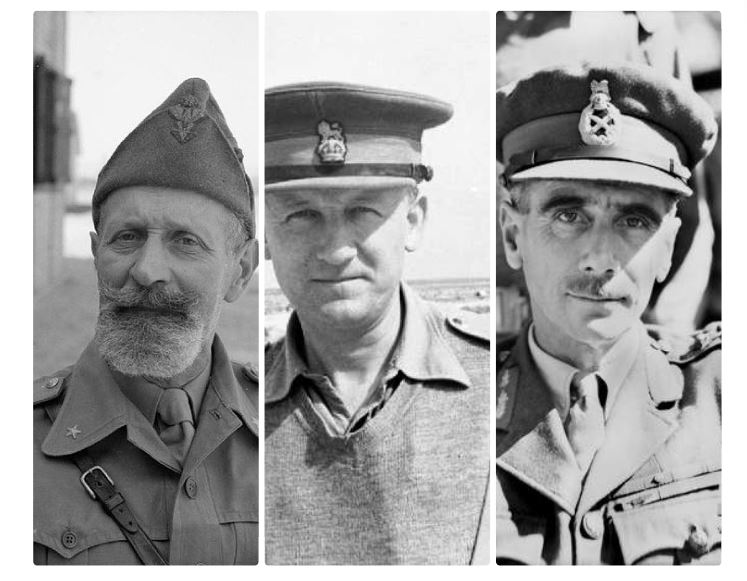
History’s Greatest Nicknames
Reading time: 7 minutes
A browse through any military history book will no doubt bring up titles of famous officers, often bearing unusual, surprising, or sometimes downright hilarious nicknames. In many cases, it’s clear where the sobriquet originated, while other examples hold a less-obvious significance.
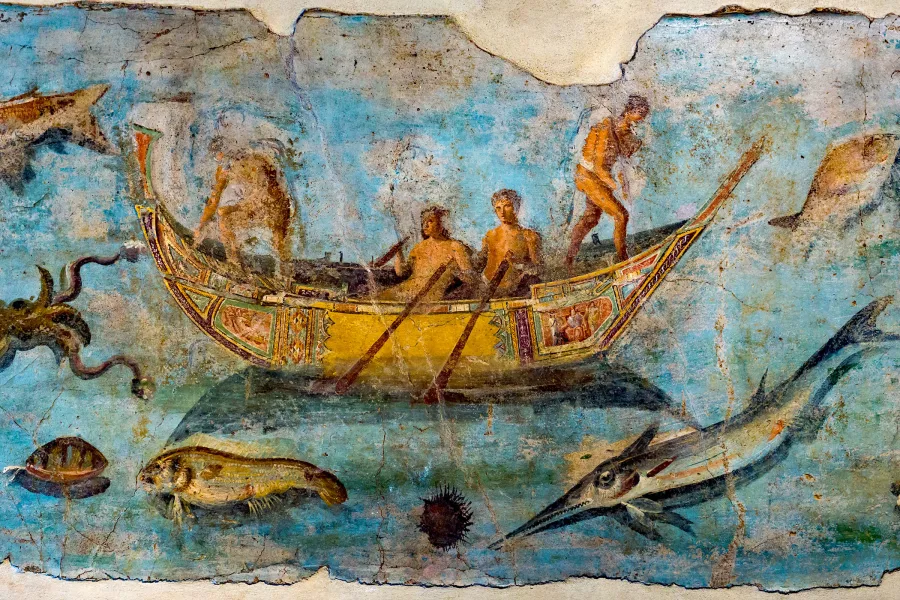
ALL RIVERS LEAD TO ROME
Reading time: 7 minutes
Never mind the roads, rivers were the arteries of the Roman Empire, carrying food, fuel and livestock along important ancient trade routes. The expression “All roads lead to Rome” encapsulates the might of the Roman Empire, but the arteries which carried its lifeblood – food, fuel, livestock and luxuries – were not roads, but rivers.
Remember El Alamein
Reading time: 5 minutes
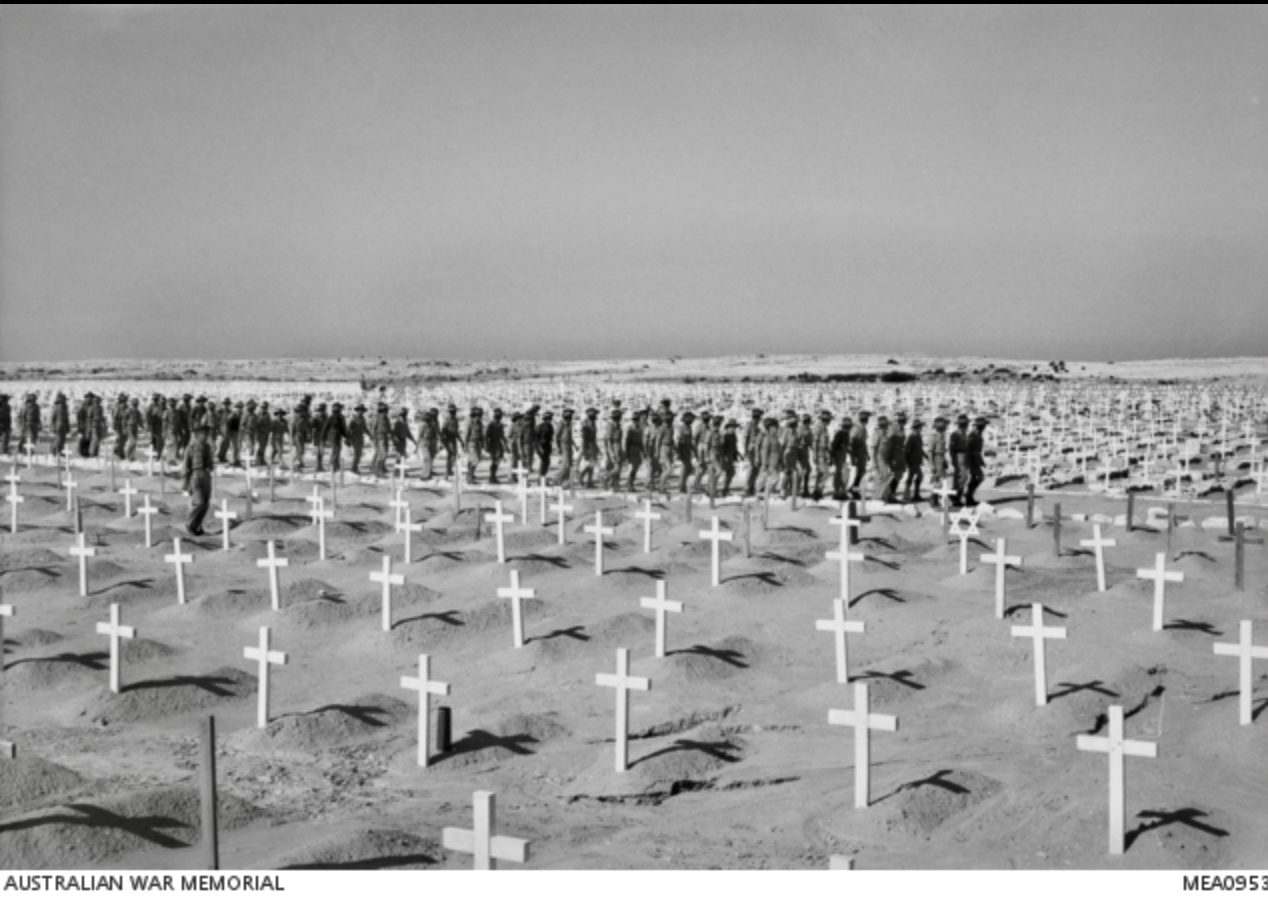
Exactly 75 years ago, Australians dressed in steel helmets and khaki shorts, and often not much else, sat in weapon pits in the Egyptian sun about 120 kilometres west of Alexandria. They were preparing for what history would call the second battle of El Alamein, the great offensive planned by Lieutenant-General Bernard Montgomery. In the summer heat of July 1942, his predecessor, Archibald Wavell, had held the German–Italian drive towards Egypt, a battle in which the 9th Australian Division had played a notable part. Now, after gathering more troops, tanks and guns, Montgomery was ready to launch his Eighth Army against General Erwin Rommel’s Panzer Armée Afrika, a commander and a force admired and respected even by their adversaries.
How a third-century Roman soldier named Carausius was behind the first ‘Brexit’
Reading time: 5 minutes
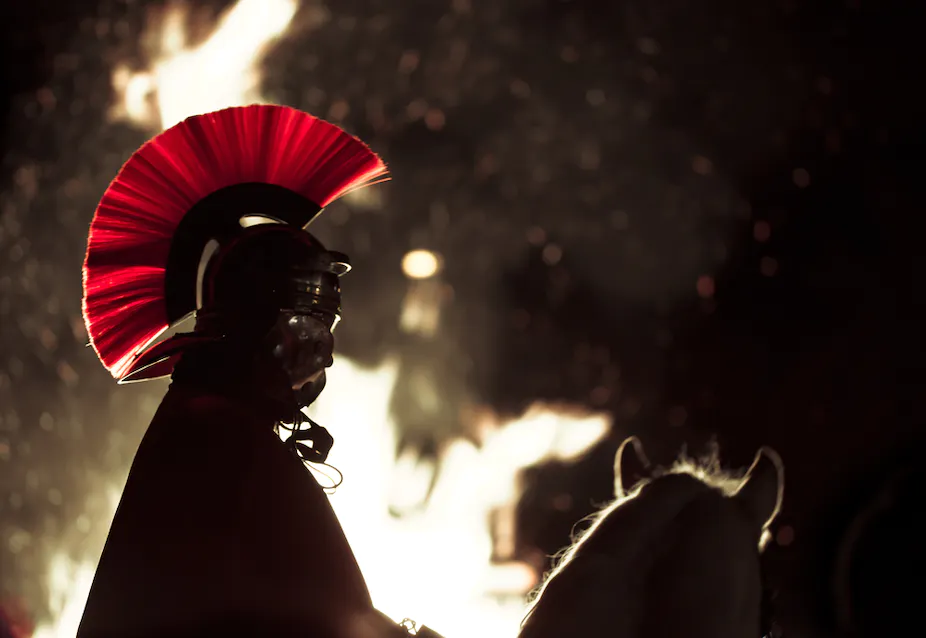
From the first to the fifth centuries AD, Britain – though not officially Scotland, which lay beyond the frontier at Hadrian’s Wall – was part of the Roman Empire. It was situated at the empire’s westernmost periphery, which was probably a contributing factor in a number of attempted power grabs. During one of these events, in the late third century AD, Britain exited the Roman Empire for a period of around ten years. The Roman Empire was, of course, very different from today’s European Union – but it is tempting to ask whether this could be described as the first Brexit.
Rediscovering a ‘lost’ Roman frontier from the air
Reading time: 5 minutes
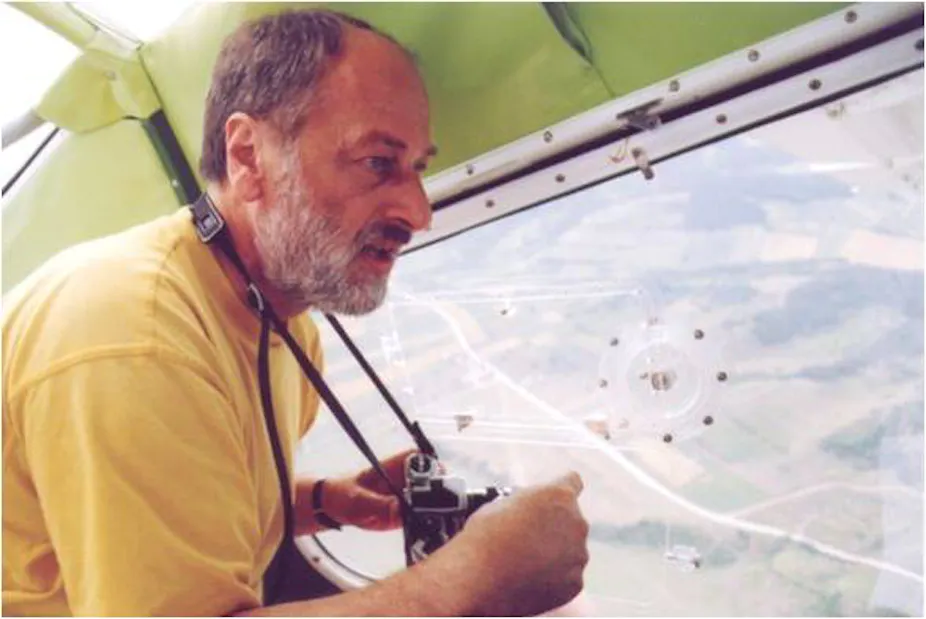
Frontiers like Hadrian’s Wall are central to the study of the Roman Empire. By now we might expect to have discovered most such major landmarks. However, by scrutinising archives of aerial photography, we have been able to identify as Roman two more walls that will transform our understanding of the frontier of the Roman Empire in Eastern Europe.
The Roman ‘Brexit’: how life in Britain changed after 409AD
Reading time: 5 minutes
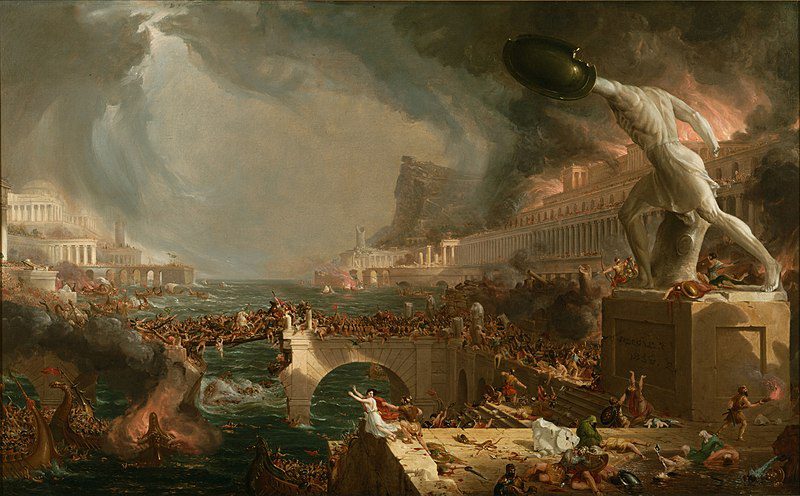
Leaving a major political body is nothing new for mainland Britain. In 409AD, more than 350 years after the Roman conquest of 43AD, the island slipped from the control of the Roman Empire. Much like the present Brexit, the process of this secession and its practical impacts on Britain’s population in the early years of the 5th century remain ill-defined.
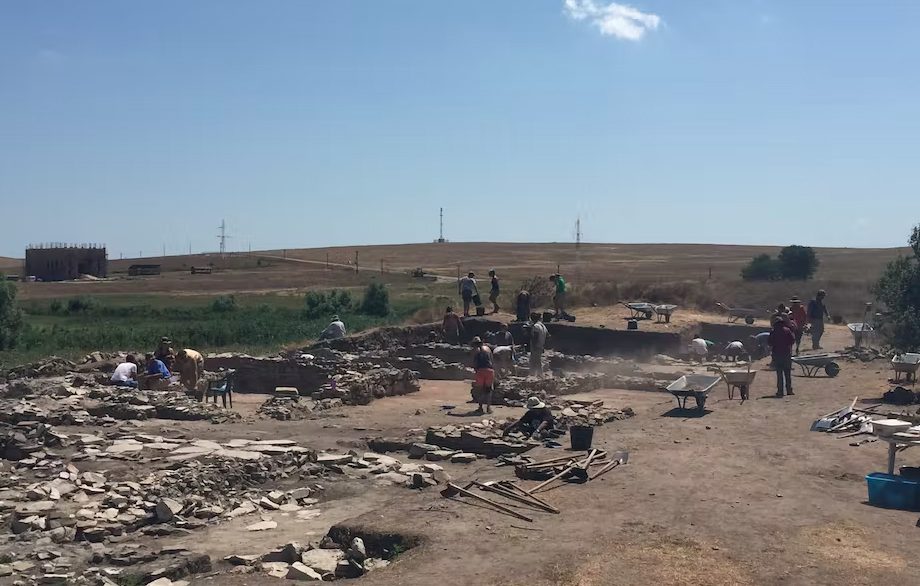
What we’re finding as we excavate Halmyris, a frontier fort of the Roman Empire
Reading time: 5 minutes
Nationalism is resurging across Europe, and with it has come increasing attention on the vulnerable outer edges of nations: borders, frontiers, and other marginal zones. Today, some of the frontiers of the Roman Empire are now national boundaries, but in antiquity these spaces functioned very differently from how we understand borders today.
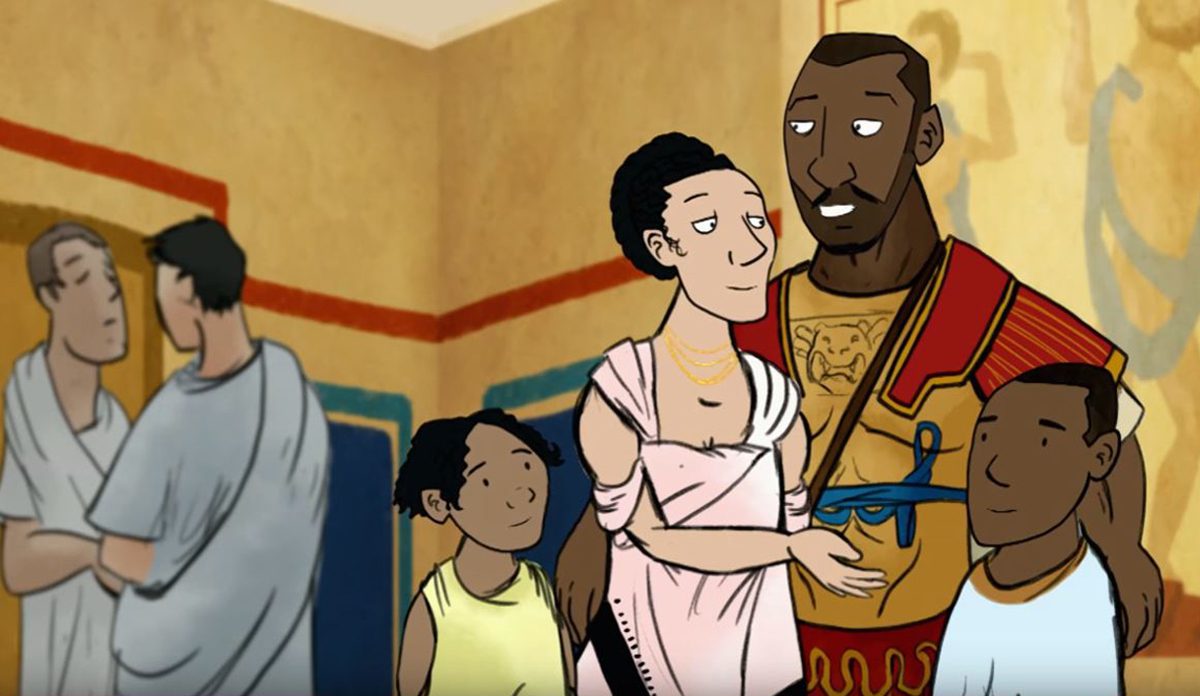
Roman Britain was multi-ethnic – so why does this upset people so much?
Reading time: 4 minutes
Mary Beard, professor of classics at the University of Cambridge, has recently been at the receiving end of a “torrent of aggressive insults” for suggesting that Britain under the Roman empire – which at its height stretched from northern Africa to Scotland – was ethnically diverse. The trouble started when Beard described an educational cartoon produced by the BBC, which included a black Roman solider in Britain, as “pretty accurate”.
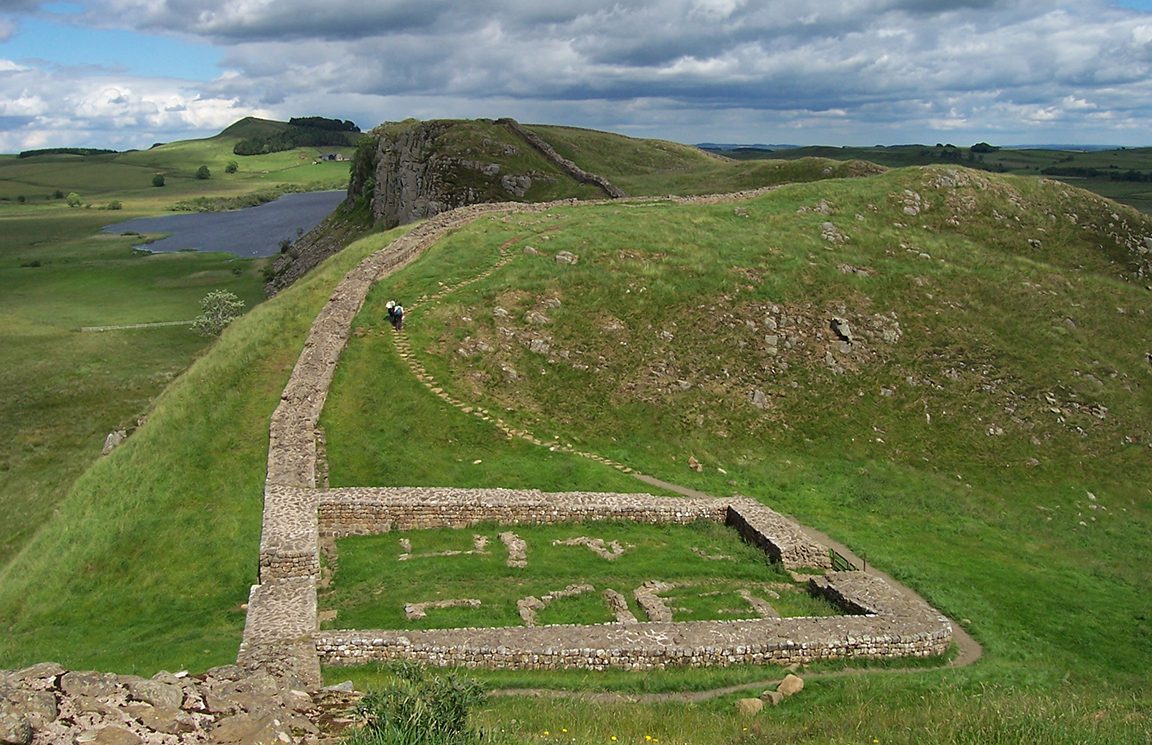
The Roman dead: new techniques are revealing just how diverse Roman Britain was
Reading time: 6 minutes
Our knowledge about the people who lived in Roman Britain has undergone a sea change over the past decade. New research has rubbished our perception of it as a region inhabited solely by white Europeans. Roman Britain was actually a highly multicultural society which included newcomers and locals with black African ancestry and dual heritage, as well as people from the Middle East.
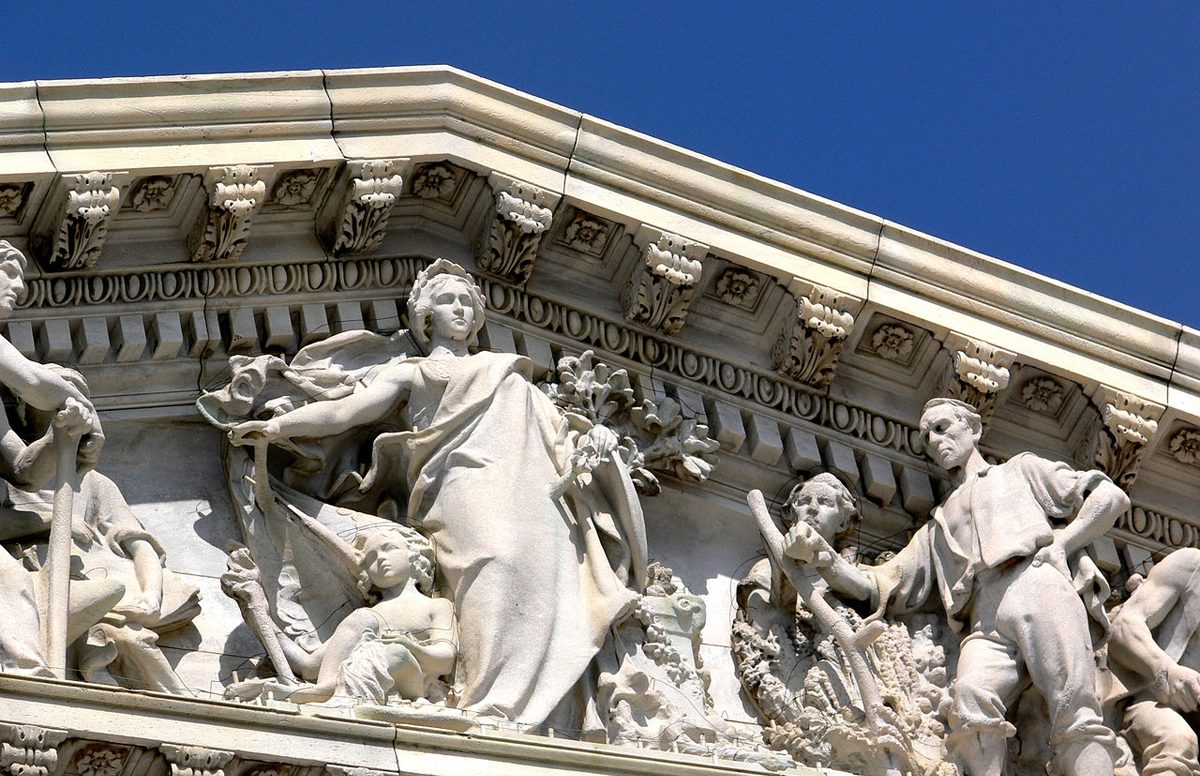
18th- and 19th-century Americans of all races, classes and genders looked to the ancient Mediterranean for inspiration
Reading time: 6 minutes
The ancient world of the Mediterranean has long permeated American society, in everything from museum collections to home furnishings. The design of the nation’s public monuments, buildings and universities, as well as its legal system and form of government, show the enduring influence of Mediterranean antiquity on American culture.
Until the late 19th century, Americans encountered the ancient world almost exclusively through reproductions – in books, artwork and even popular plays. Very few could afford to travel abroad to encounter Mediterranean artifacts firsthand.
What the Romans can teach us about immigration and integration
Reading time: 4 minutes
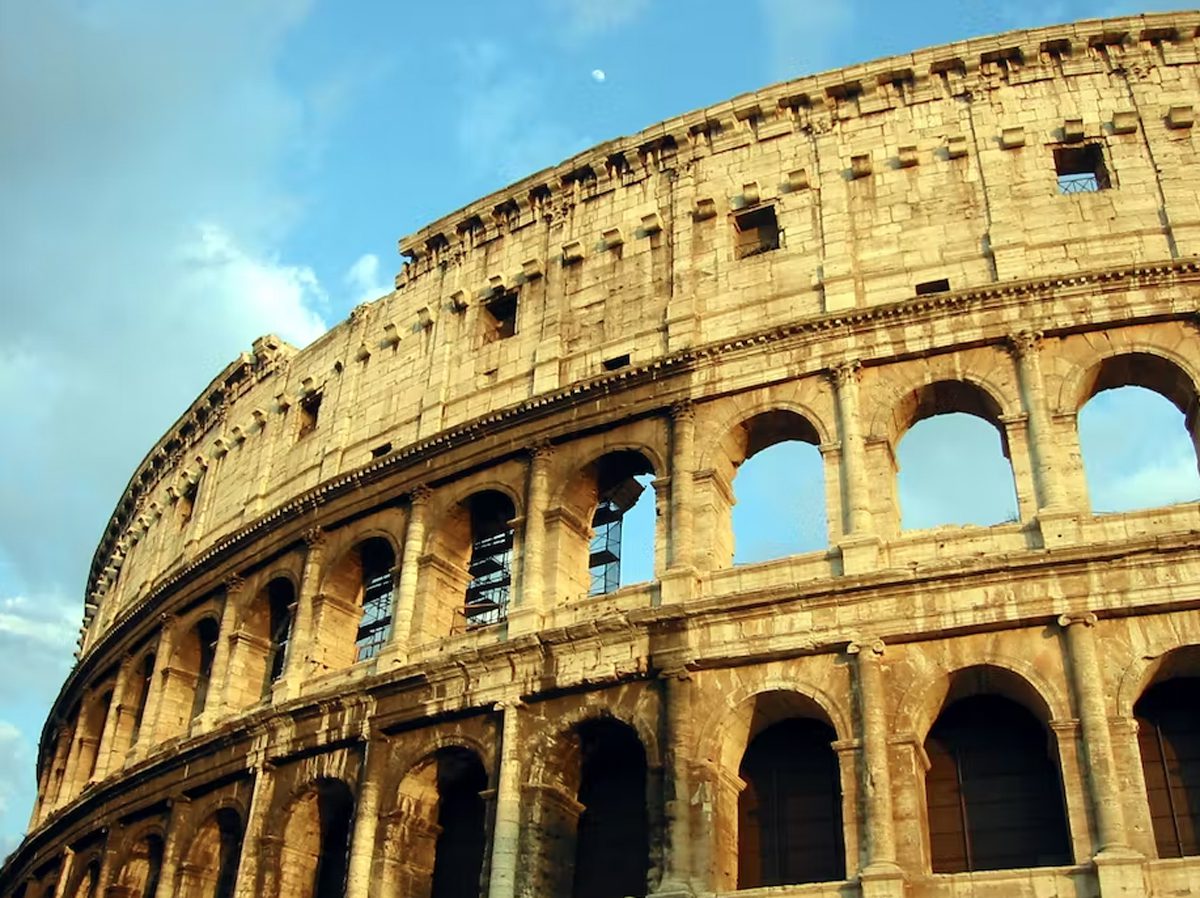
At its largest, the Roman empire encompassed an area from Spain in the west to Syria in the east, and while start and end dates are largely a matter of perspective, it existed in the form most people would recognise for over 500 years.
The empire of course had many great strengths – but it could be argued that one of the most important keys to its durability was its inclusiveness.
Roman society was, of course, marked by stark inequalities. It was inherently misogynistic and rigidly classed, while slavery was ubiquitous. But in other ways, it was surprisingly open-minded – even by the standards of 2015.
How did we come to celebrate Christmas?
Reading time: 6 minutes
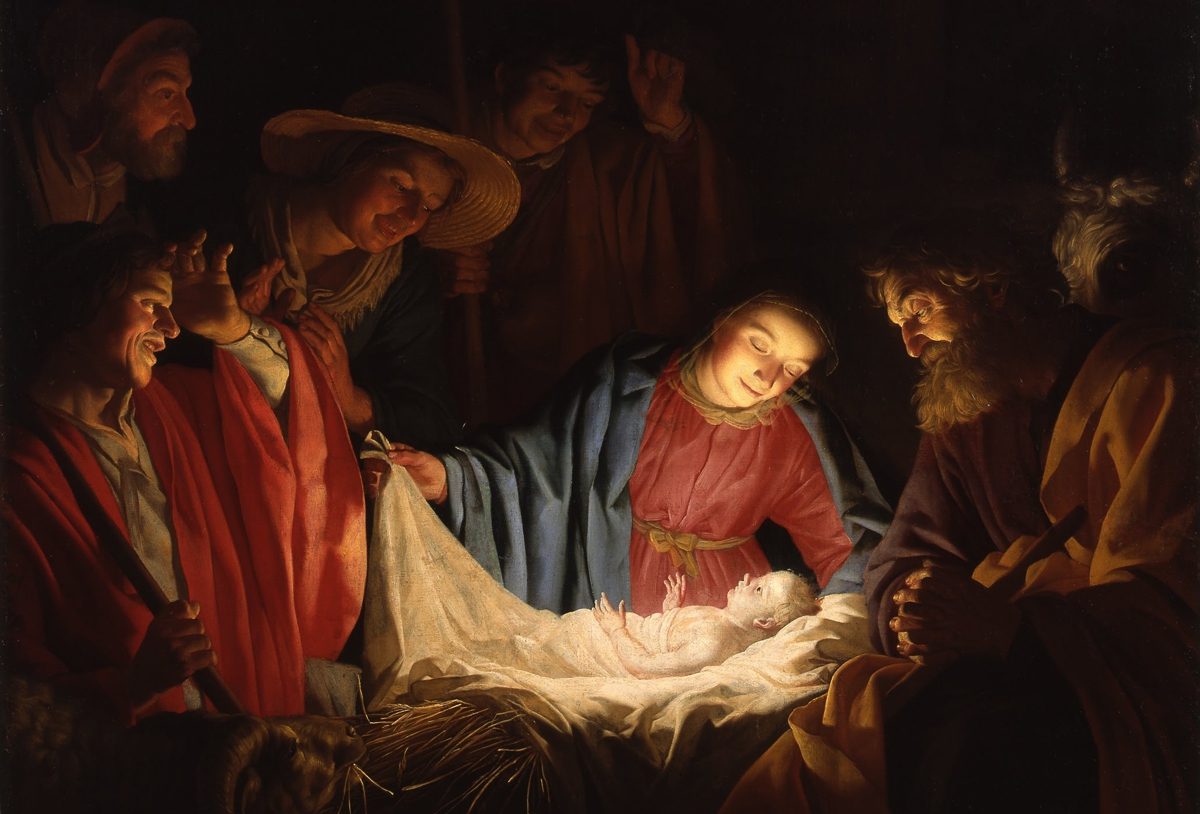
The western date for Jesus’ birth is quite arbitrary. It was chosen by Pope Leo I, bishop of Rome (440-461), to coincide with the Festival of the Saturnalia, when Romans worshipped Saturn, the sun god. This was the day of the solar equinox, the shortest day of the year in the northern hemisphere, which officially marked the halfway point of winter.
The date of the feast varies within Christian denominations. Western Christians celebrate the Nativity on a fixed date, 25 December. Some Eastern Orthodox Christians celebrate it on 6 January together with Epiphany, the revelation of the infant Jesus to three wise men. The Greek and Russian Orthodox celebrate Christmas on 7 January and Epiphany on 19 January.

The borrowed customs and traditions of Christmas celebrations
Reading time: 6 minutes
Not long to go now before many of us get to spread some good tidings and joy as we celebrate Christmas.
The main ways we understand and mark the occasion seem to be rather similar across the world. It’s about time with community, family, food-sharing, gift-giving and overall merry festivities.
Harking back: the ancient pagan festivities in our Christmas rituals
Reading time: 5 minutes
When we think of the Romans, gift-giving, carol-singing and celebrating the birth of Christ don’t immediately present themselves. Waging wars, general oppression and a never-ending desire to rule the world are more likely to spring to mind.
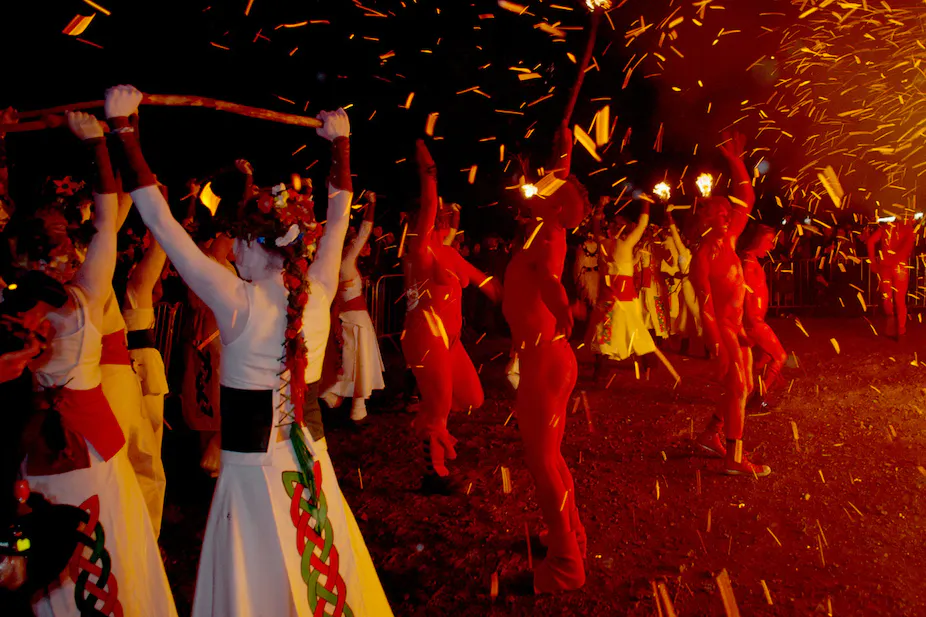
But various Christmas traditions come from ancient pagan festivities, including the Roman celebration of the Saturnalia.
The busy Romans needed a mid-winter break too … and it lasted for 24 days
Reading time: 5 minutes
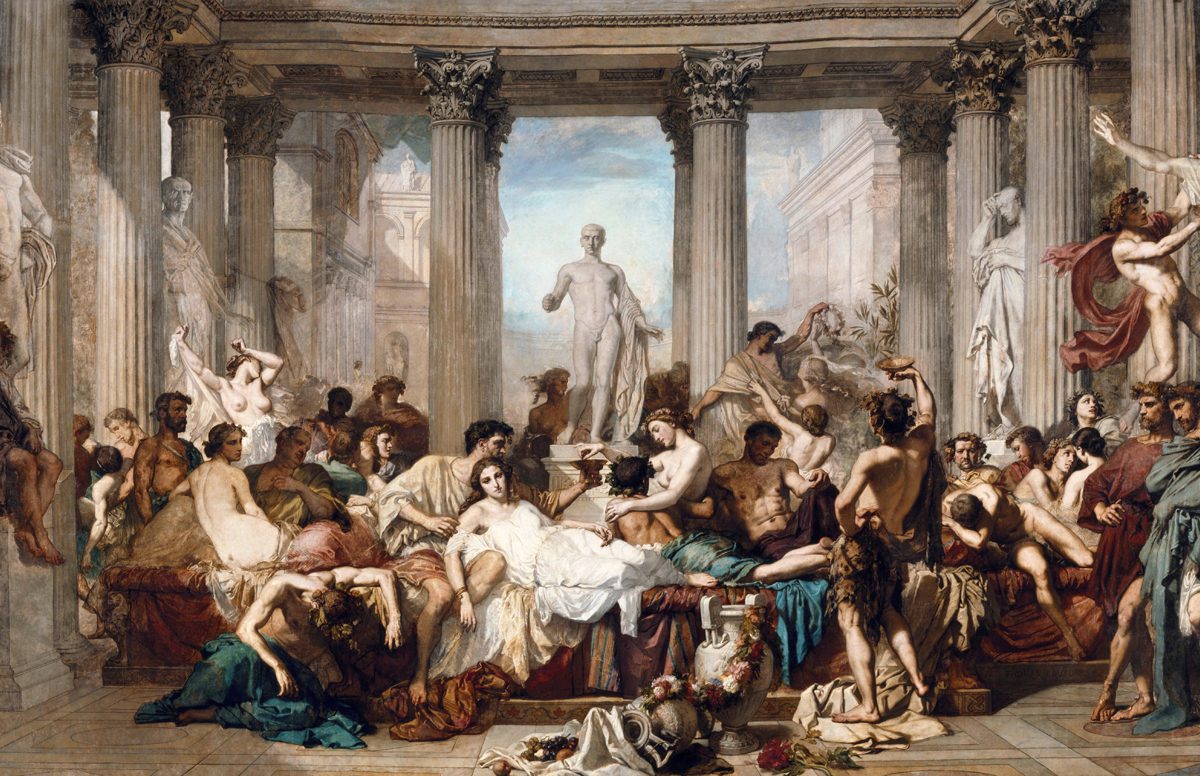
The actual reasons for celebrating Christmas at this particular time in the year have long been debated. Links have often been drawn to the winter solstice and the Roman festival of Saturnalia. Some people have also associated it with the supposed birthday of the god Sol Invictus, the “unconquered sun”, since a fourth-century calendar describes both this and Christ’s birth as taking place on December 25.
From the bookshelf: ‘The Scrap Iron Flotilla’
Reading time: 4 minutes
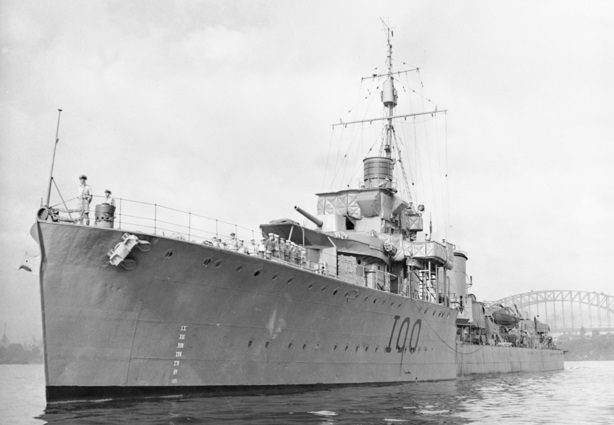
Mike Carlton has emerged as a gifted historian of Australia’s outstanding naval contributions in two world wars. He polishes this reputation in his new book, The Scrap Iron Flotilla: five valiant destroyers and the Australian war in the Mediterranean. Carlton has always been persuasive in print. His earlier books, Cruiser on the wartime record of HMAS Perth, and First victory 1914, detailing HMAS Sydney’s destruction of the German raider Emden, suggested both the enthusiasm for and appreciation of Australian naval history which the author has in abundance.
Mythbusting Ancient Rome: cruel and unusual punishment
Reading time: 7 minutes
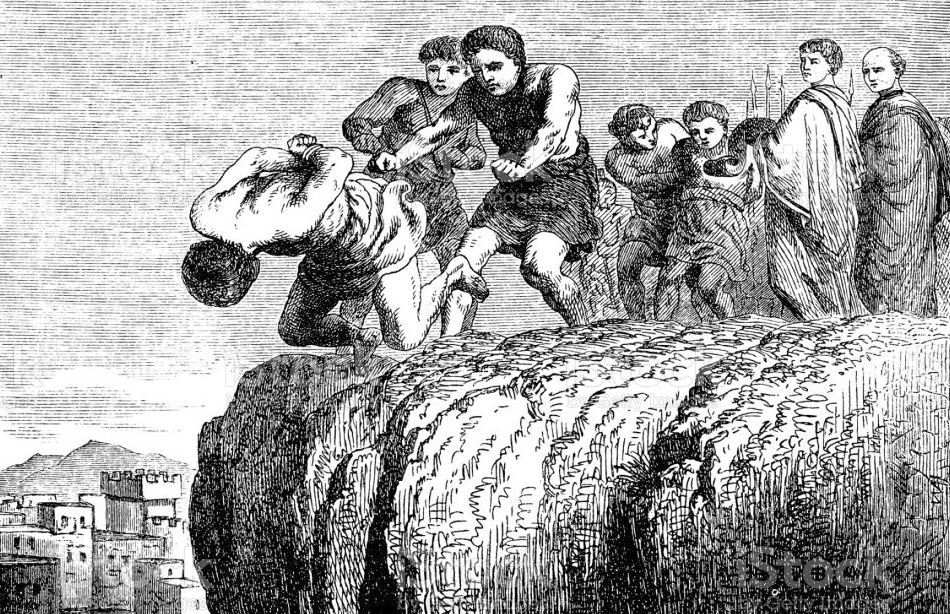
Early Roman history is full of stories about the terrible fates that befell citizens who broke the law. When a certain Tarpeia let the enemy Sabines into Rome, she was crushed and thrown headlong from a precipice above the Roman forum.
Such tales not only served as a warning for future generations, they also provided a backstory for some of Rome’s cruellest punishments. Tarpeia is one of many legendary figures who appear in Livy’s History from the Foundation of the City; regardless of whether she was a real person, it became established practice to throw traitors from the “Tarpeian Rock”.

The History of Food Delivery
Reading time: 7 minutes
From Ancient Rome to Uber Eats, food delivery has a long history.
Fast food has its roots in Ancient culture. No matter the century, human nature seems to crave convenient, easy access to food prepared and sold by others. In 1911, historians found evidence of one of these ‘fast food’ restaurants in Pompeii. Called a ‘thermopolium,’ these establishments were specifically designed to provide refreshments and hot, prepared food for the working class.
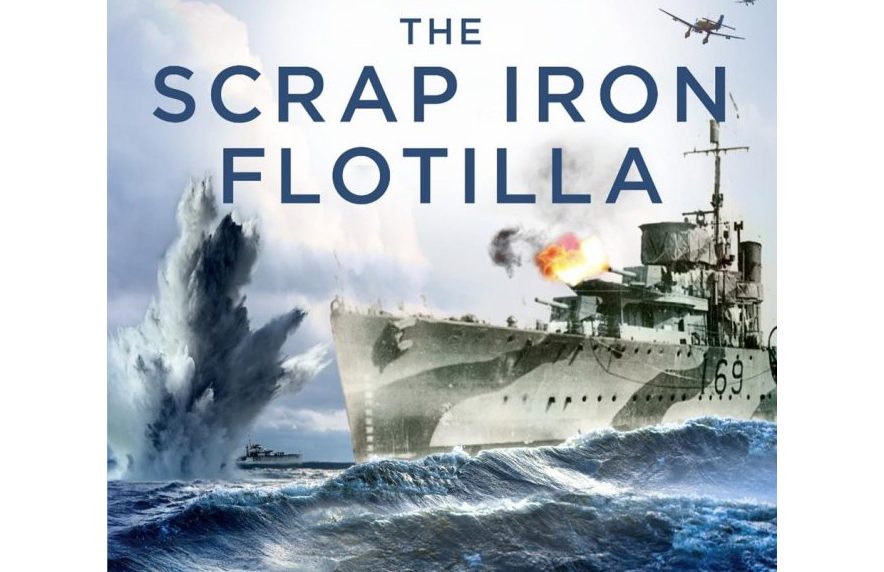
The Scrap Iron Flotilla – Speaker: Mike Carlton via Zoom
Live Presentation via Zoom August 17 @ 7:00 pm – 8:00 pm AEST (UTC+10)
When war broke out in the Northern Hemisphere in 1939, the British called upon their Australian allies for support. The Australian government responded by sending five navy destroyers – HMAS Stuart, Vendetta, Vampire, Voyager and Waterhen.
Australians in the Mediterranean during WW2 eBook
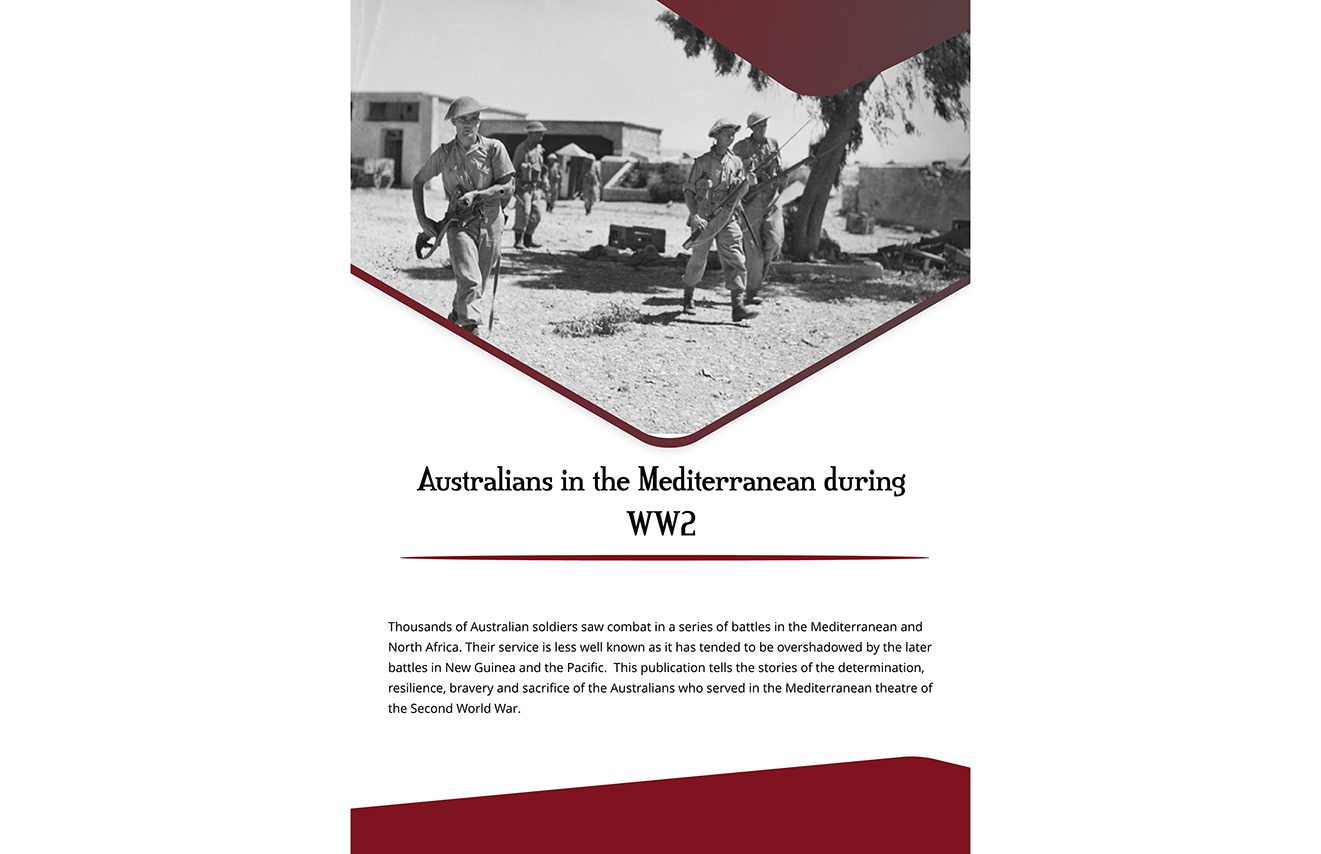
Thousands of Australian soldiers saw combat in a series of battles in the Mediterranean and North Africa. Their service is less well known as it has tended to be overshadowed by the later battles in New Guinea and the Pacific. History Guild has created and published this eBook which tells the stories of the determination, resilience, bravery and sacrifice of the Australians who served in the Mediterranean theatre of the Second World War. It is available as a free download below.