Reading time: 7 minutes
Since humans first began draping themselves in animal skins and walking upright, we have developed a sense of fashion – often both with a sense of beauty and as a status symbol, alongside practical uses of warmth and protection.
As far as we know, humans are the only animals to wear clothes regularly and of their own choice (though evidence suggests fish have a sense of fashion) – and a combination of the age of lice, and tools for gathering animal pelts suggests humans have been wearing clothes for over 300,000 years.
Throughout this time, clothing developed from simple design and of practical purposes, to keep in warmth and protect from the elements, to a vehicle for displaying status, rank, and wealth.
From the earliest tribes of cavemen to the Renaissance, from the rivers of China to the fields of Rome, here is a brief history of fashion as a status symbol across the world.
Prehistoric Fashion and the Origins of Beauty
Humans have always crafted things of beauty for beauty’s sake, not just for practical purpose. Likely rooted in survivalist pattern recognition, our earliest ancestors are known to have crafted symmetrical tools, created jewellery, and worn fashionable clothing for the reason of beauty and aesthetic choice alone.
Archaeologists have found evidence as far back as 150,000 years ago of humans making jewellery with snail shells.
As more complex societies evolved and grew, clothing and fashion increasingly became a visible way to display status, often through the rarity and complexity of the garments, but sometimes through displaying rank in a form of regulated uniform.
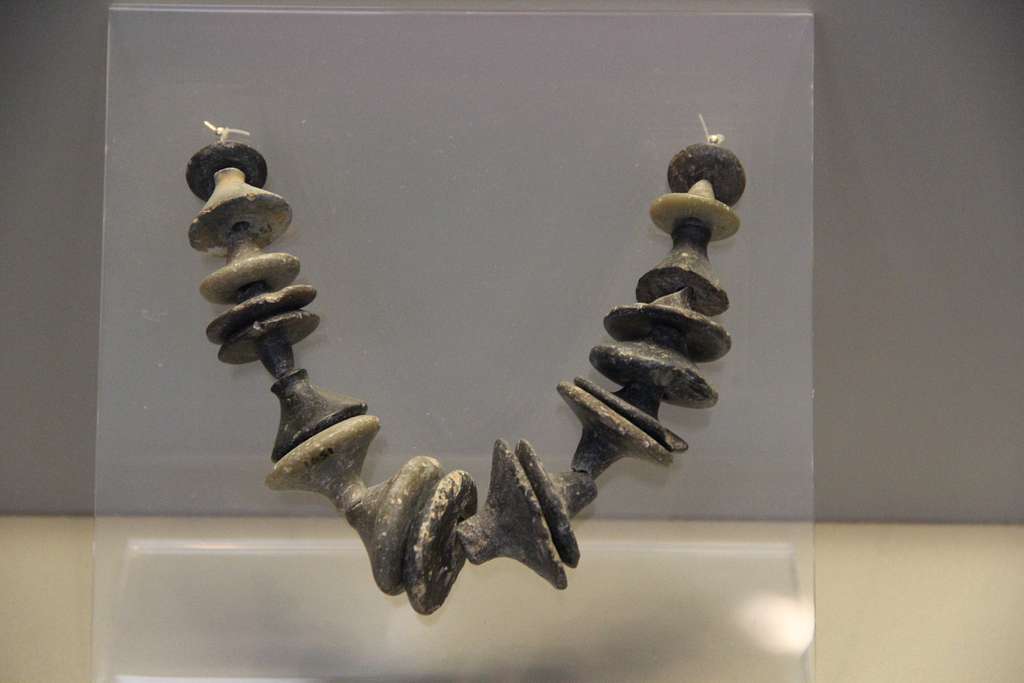
Though any clothing from the prehistoric era would have long since degraded away, the 100,000-year-old burial site of Tinshemet in modern-day Israel contains various items of likely spiritual and social value, including 500 basalt pebbles which are speculated to once have been jewellery-like decorations.
Even before the invention of the wheel, for tens of thousands of years prior humans have been using fashion and jewellery, in life and in death, to indicate status.
Fashion and Status in the Ancient World
The earliest examples of precious metals being used for jewellery and fashion come from ancient Mesopotamia in the 2600s BC, and as shown by Tinshemet, ancient civilisations are famed for burying their dead with items they valued in life.
Study of the royal fashion of Ancient Mesopotamia suggests both intricately decorated clothing with the use of trimming and beads, alongside intricate hats that symbolised the wearer’s social status.
And, of course, plenty of jewellery. By the very nature of being able to pay for tailored clothing, rare and expensive materials, and intricate designs that one would have to pay experts to create, clothing alongside jewellery was an inherent aspect of displaying social status in any developed society.
Rome and the West
By the time of Ancient Greece and the Roman Republic, the world was full of diverse neighbouring civilisations, from the Persians and Egyptians to the Gauls and Celts, each with their own clothing and fashion trends.
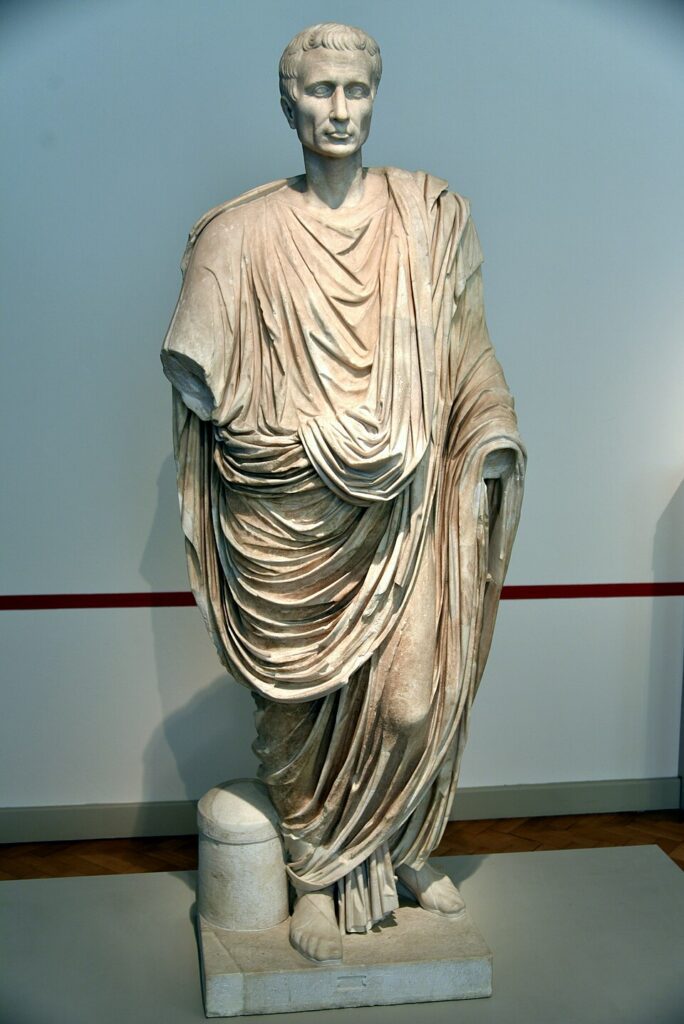
As one of the most organised empires of its time, Rome had, in many cases, very clear distinctions for different garments to signify rank and status.
Enter: the infamous Roman Toga.
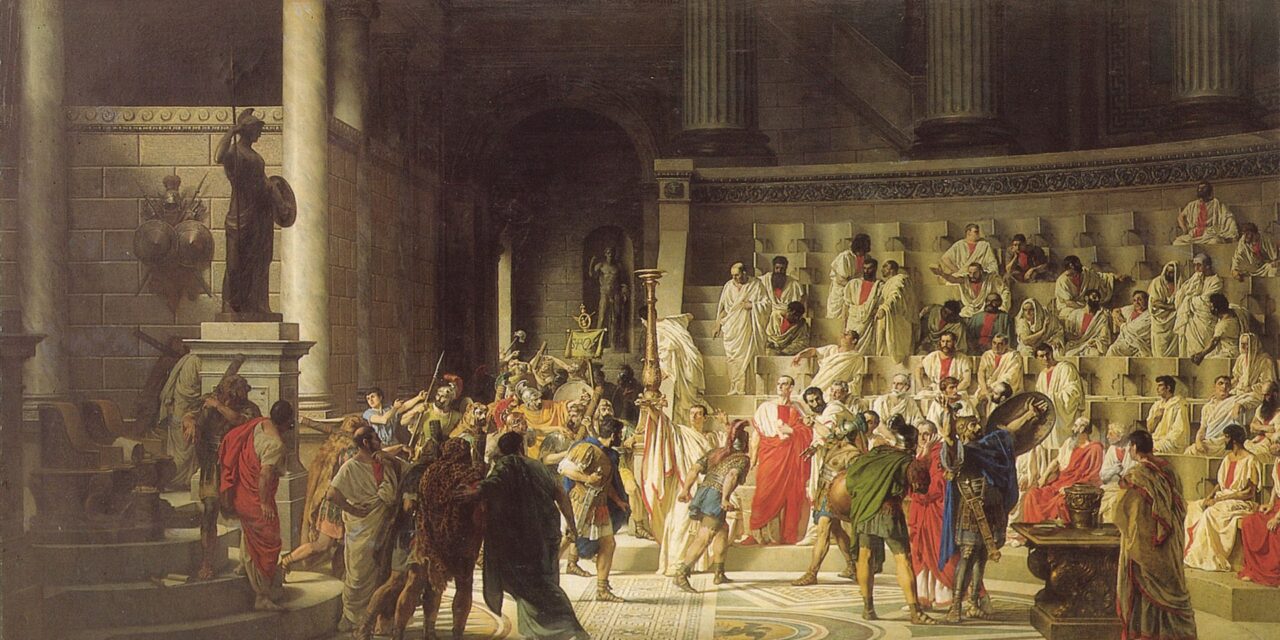
Known today far and wide as the staple of Roman clothing, the Toga was reserved for Roman citizens (i.e., those who could vote, hold land, and were generally of the ruling class) only. Even within this, different types of Togas further differentiated class amongst the elite, with the toga praetexta and its distinctive purple border worn only by magistrates and freeborn boys, while the more embellished toga picta was reserved for victorious generals and emperors.
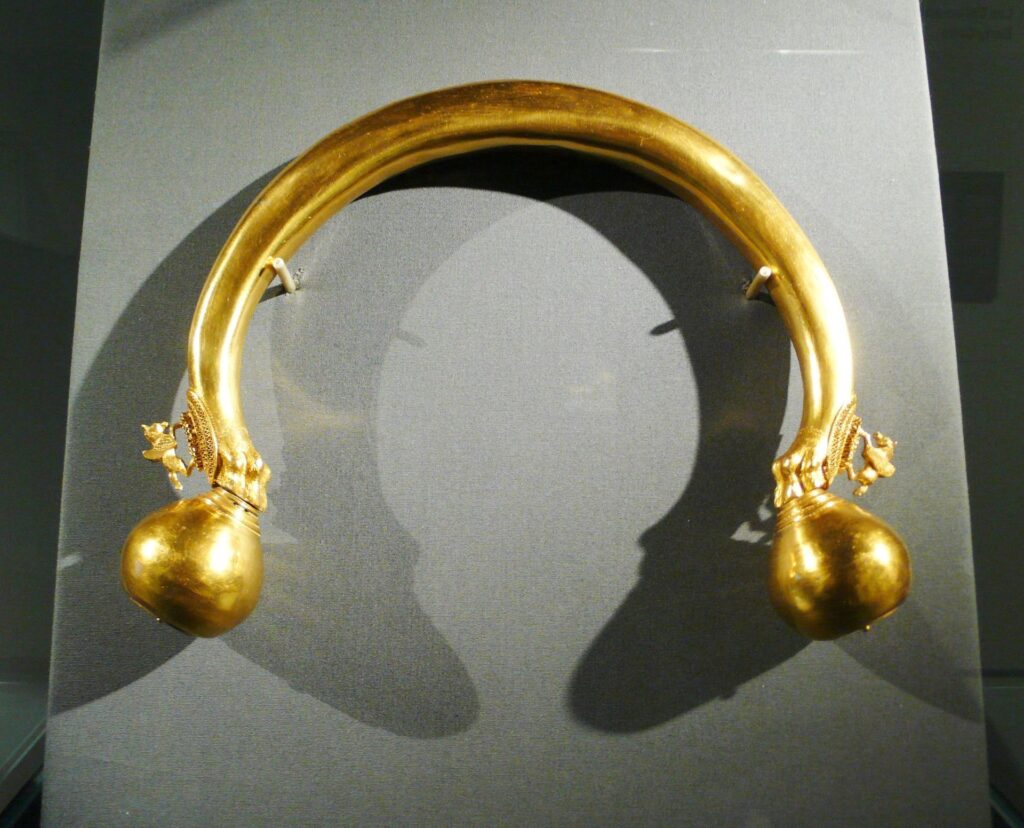
Though not necessarily as structured as the Romans, the neighbouring Gauls also had their own fashion to symbolise status, with wealthy and elite Gauls wearing torques – a kind of gold necklace – to display their wealth and class.
Chinese Fashion Trends Throughout Ancient and Medieval Times
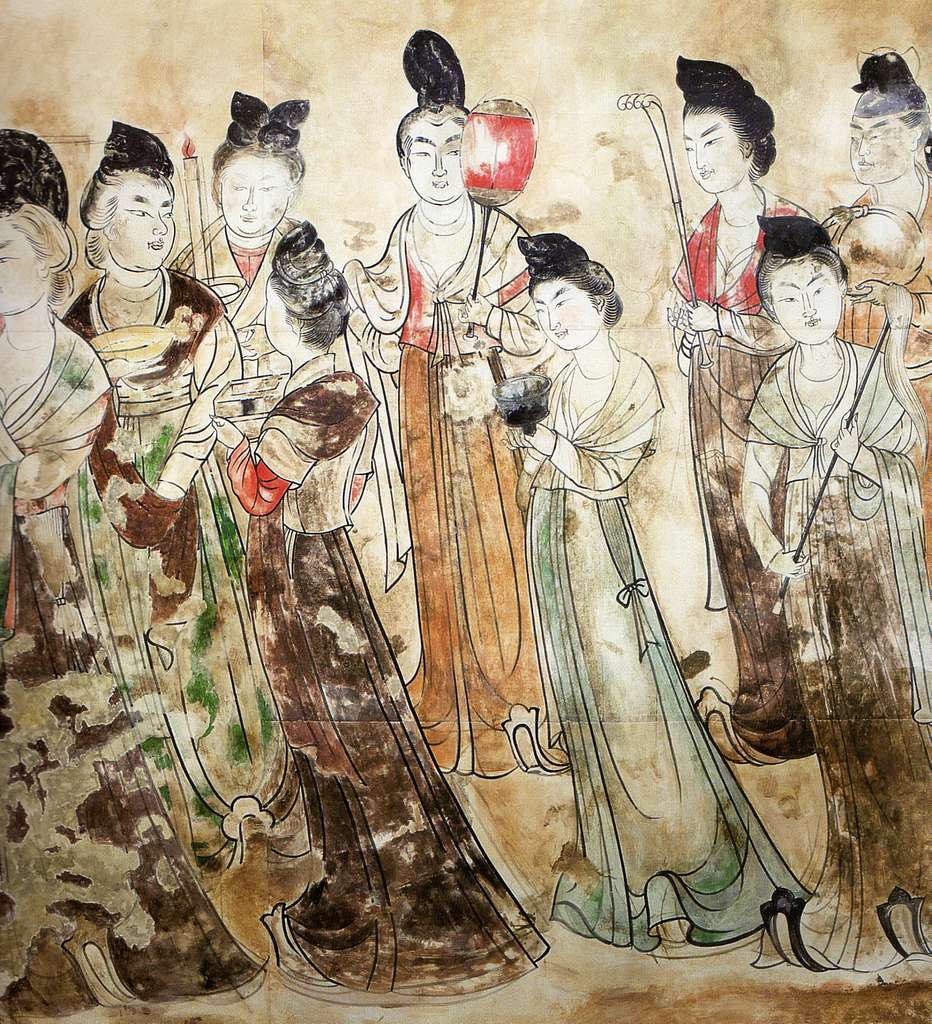
Across the globe, fashion trends and the link between clothing and status were equally, if not even more so, deeply rich and embedded in society. Although there are near-endless civilisations and cultures across the globe, each with its own fashion trends and rituals, China stands out as one both infamous and rich in history.
Under the Tang dynasty of imperial China, the colours yellow and gold were both reserved only for use by the Emperor and wider imperial family, similar to Rome’s use of the colour purple.
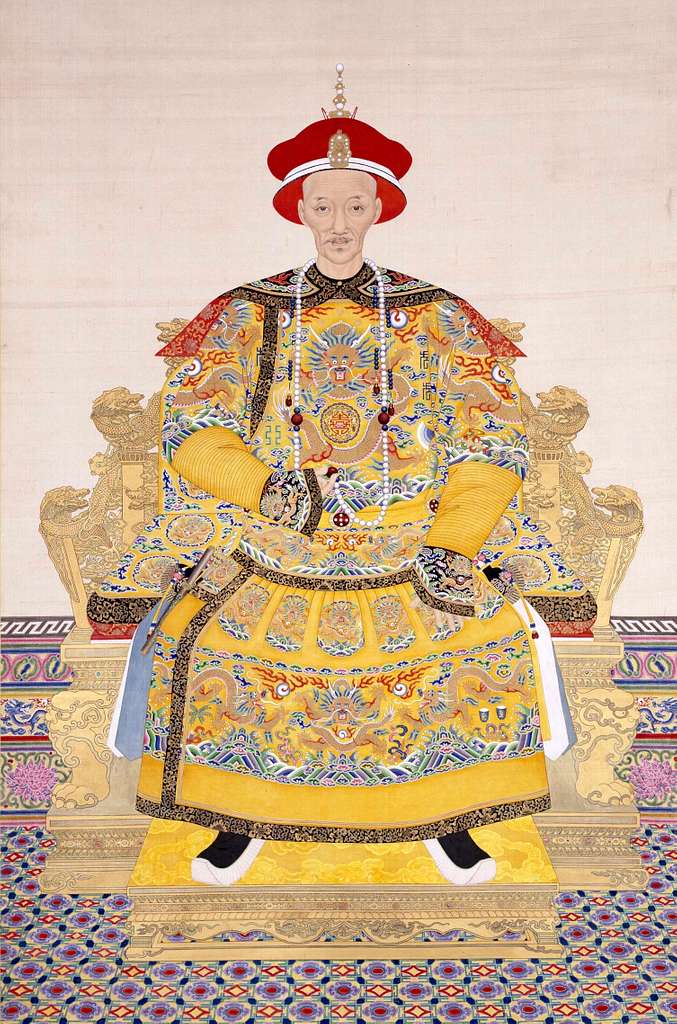
Beyond just reserved colours, other elements of clothing and fashion such as the dragon motif, the number of embroidered symbols on a court robe, and even the precise shade of an official’s silk were also dictated by law in the Qing dynasty, creating clear layers of social status through one’s clothes.
While exact rules, customs, and fashions did change throughout China’s long and vibrant history, the use of the colours yellow and gold being reserved for the imperial house remained consistent across multiple dynasties, and clothing never stopped being a symbol of status.
Mixing Cultures & Globalisation
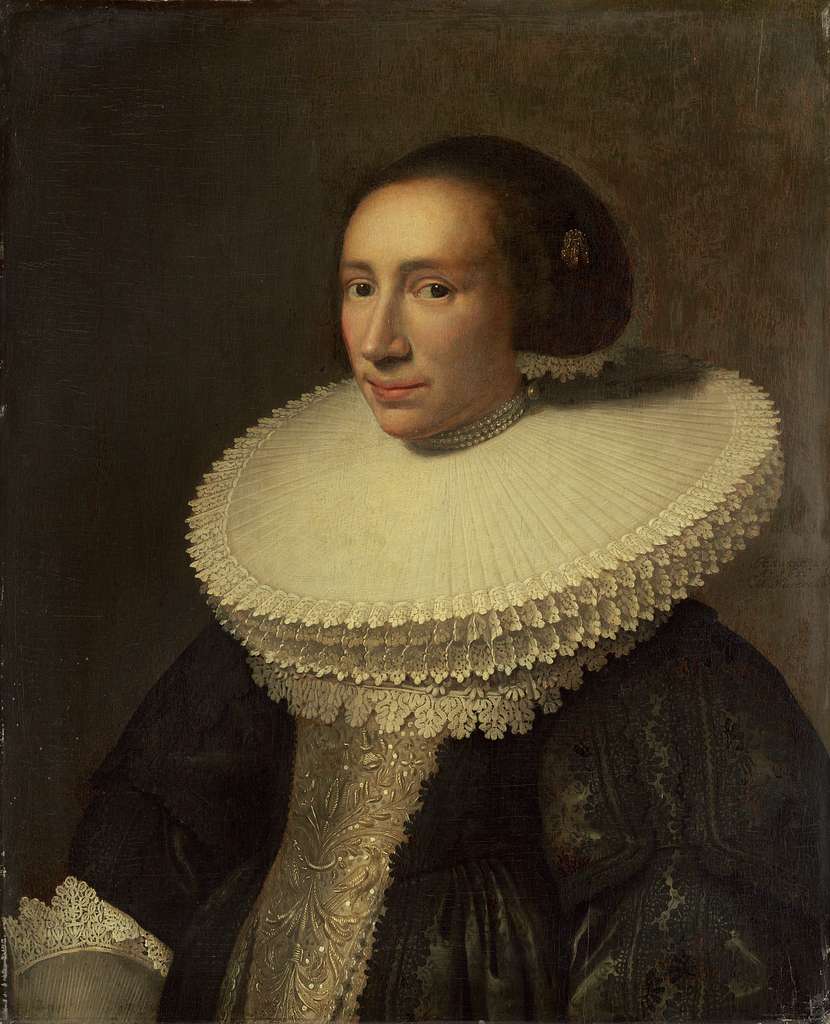
During the Elizabethan period in England, ruffs, or neck frills, increasingly became a symbol of status, with the larger the ruff the higher the status.
Throughout history and the world, there are countless other examples of different forms of clothing, be it colour, form, or accessories, being used to indicate social rank and status, sometimes legally enforced, and sometimes not.
Yet as European colonialism erupted and brought both to Europe and the world new cultures and fashion trends, a shift emerged, a shift further enforced by industrialisation and globalisation.
Globalisation and A Single Fashion Culture
The industrial revolution and global trade transformed fashion in the same way they have transformed culture, blurring the lines between countries, languages, and people for better or for worse.
The mass production of clothes, combined with global fashion brands and easy multi-national distribution, has completely shifted the way humans use fashion as a status symbol. At first dominated by Parisian haute couture and later by American sportswear, disseminated by magazines, then television, then the internet, the world of fashion has blurred into one entity.
Today, a teenager in Lagos, Seoul, and São Paulo may reach for the same sneaker brand, follow the same designers on social media, and participate in the same viral trend within the same week.
Despite this, the use of fashion to indicate status has not gone anywhere. Premium watches, designer clothes, and keeping up with fashion trends all serve to indicate different forms of status – from class and wealth to popularity and age.
Gone are the days of togas and reserved royal colours, but fashion has always, and always will be, used by humankind to display our identity, our group, and our status to others.
Podcast episodes about the history of fashion
Articles you may also like
The Empresses of Rome – Audiobook
THE EMPRESSES OF ROME – AUDIOBOOK By Joseph Martin McCabe (1867 – 1955) The story of Imperial Rome has been told frequently and impressively in our literature, and few chapters in the long chronicle of man’s deeds and failures have a more dramatic quality. The fresh aspect of this familiar story which I propose to consider […]
Finding Your Ancestors: Researching Aboriginal Family History in NSW
Most Aboriginal people are already historians. They hold knowledge of family ancestry, culture and history, and often treasured family photos and documents. There is much more to find online and in libraries and archives, but if you haven’t searched in these places before, it can be a bit hard to know where to start. Finding Your […]

Shapurji Saklatvala – British MP and agitator for change
Reading time: 4 minutes
Shapurji Saklatvala was born in India in 1874, the son of a merchant. His maternal uncle founded what is today the Tata group – a multinational conglomerate. Saklatvala worked for the company for part of his career, and first moved to England to run the Manchester office. After moving to England, he married Sarah Marsh, who came from a Derbyshire family, and they went on to have five children.
The text of this article was commissioned by History Guild as part of our work to improve historical literacy. If you would like to reproduce it please get in touch via this form.