Category: History News

Why does culture sometimes evolve via sudden bursts of innovation?

Reading time: 6 minutes
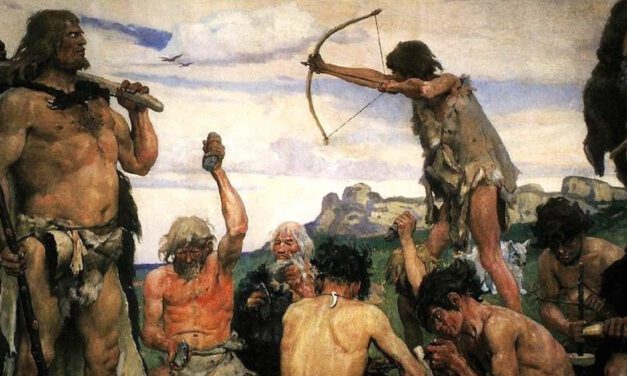
We can see evidence of this cumulative culture in the archaeological record; over time, there’s an accelerating increase in the number of tools people use. But the archaeological record reveals another pattern, too: there’s also evidence for large-scale losses of culture. For example, archaeological excavation suggests that Aboriginal populations in Tasmania lost numerous technologies over time, including nets, bone tools and warm clothing, even though these tools might still have been useful.

Read More

New research shows WWII dominates Australians’ knowledge of military history. But big gaps remain

Reading time: 5 minutes
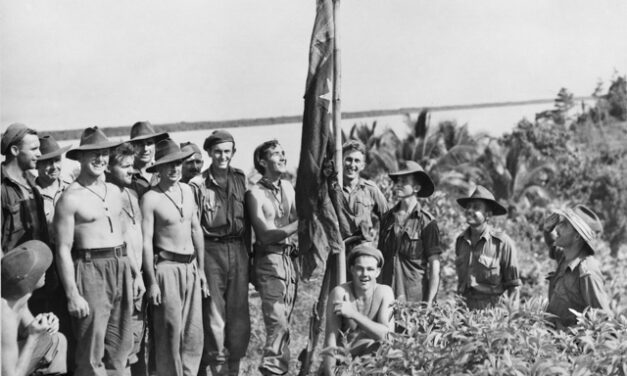
Eighty years ago this week, Japan surrendered after nearly four years of war in the Asia-Pacific. For Australia, this meant the end of not only the war in the Pacific, but also the second world war that had begun six years earlier, in September 1939. In that time, around one million Australians – approximately 15% of the population – served in the armed forces. Over half served overseas, with nearly 40,000 killed and more than 66,000 wounded. But what do Australians today know about this epochal moment in our history? We surveyed 1,500 Australians aged 18 and older to find out.

Read More

Hindi, Greek and English all come from a single ancient language – here’s how we know

Reading time: 5 minutes
Yet patterns in their descendant languages preserve enough structure to enable us to manage at least a shadowy glimpse of them. The theories and methods pioneered through this work will continue to fuel research into the reconstruction of human ethnolinguistic prehistories worldwide for many years to come.

Read More
Loading