Category: Social and Cultural History

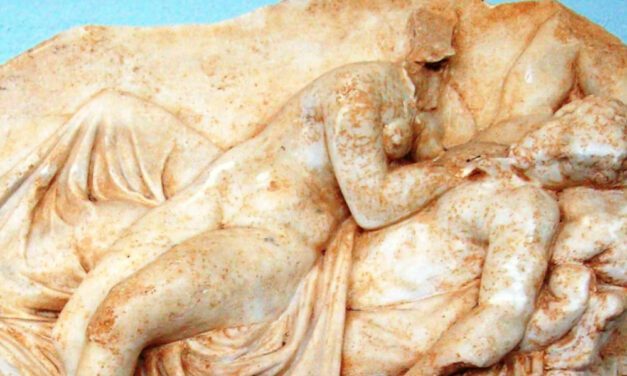
How to party like an ancient Greek

Reading time: 4 minutes
Parties in ancient Greece were wild, with evidence of copious alcohol and sex. That’s the popular idea that endures today. But there were different types of parties at the time. Not all involved lots of alcohol and debauchery. Some featured moderate eating and drinking, and intellectual conversation. So what actually went on at these parties? And how exactly do you party like an ancient Greek?
Read More

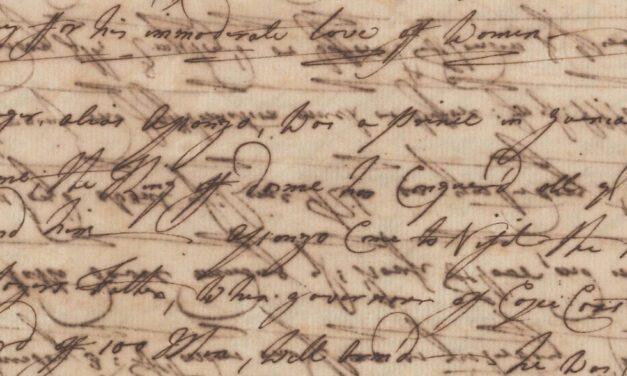
Apongo was a rebel leader in Jamaica – a diary entry sheds light on his west African origins

Estimated reading time: 6 minutes
For over three centuries, between 1526 and 1866, at least 10.5 million Africans were forcibly trafficked to the Americas in the transatlantic slave trade. Over half of them (with known places of departure) left from a 3,000km stretch of the west African coast between what are today Senegal and Gabon. Scholars trying to uncover the lives of these diasporic Africans are forced to work with historical records produced by their European and American enslavers. These writers mostly ignored Africans’ individual identities. They gave them western names and wrote about them as products belonging to a set of supposedly distinct “ethnic” brands.

Read More

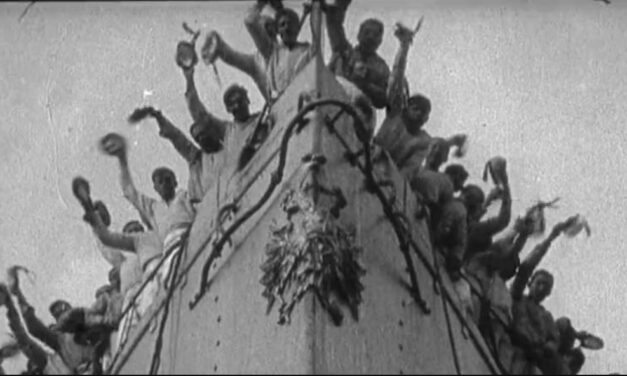
Battleship Potemkin at 100: how the Soviet film redrew the boundaries of cinema

Reading time: 5 minutes
Eisenstein’s growing international status did little to protect him at home. As the 1920s gave way to the 1930s, the tides of Stalinist cultural policy began to turn sharply against him. Eisenstein’s approach was profoundly out of step with the new aesthetic of Socialist Realism, which demanded clear narratives, heroic characters and unambiguous political messaging. Where his signature technique, montage, was dynamic and dialectical, Socialist Realism insisted on straightforward storytelling and easily digestible moral lessons. As a result, Eisenstein found himself accused of obscurity, excess and political unreliability.

Read More

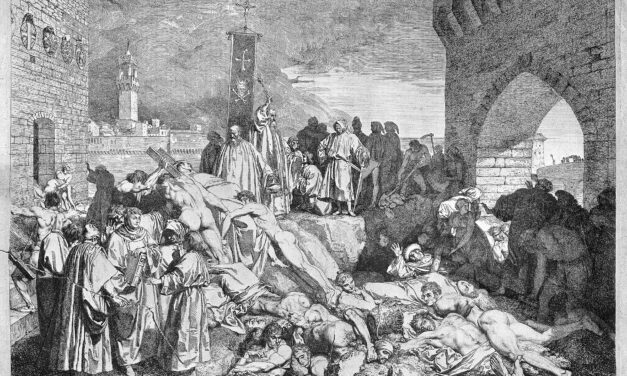
Worker Power: How the Black Death Revolutionised Workers’ Rights

Reading time: 7 minutes
Despite afflicting the world in a serious measure for less than a decade, the black death, also known as the plague, is both one of the deadliest diseases to ever set upon humankind, and likely the most famous.
Between 1348 and 1351, in just 3 years, it’s estimated that the black death reduced the population of England from 4.8 million to 2.6 million, down by roughly 46%.

Read More

A Brief History of Fashion as a Status Symbol

Reading time: 7 minutes
Since humans first began draping themselves in animal skins and walking upright, we have developed a sense of fashion – often both with a sense of beauty and as a status symbol, alongside practical uses of warmth and protection.
As far as we know, humans are the only animals to wear clothes regularly and of their own choice (though evidence suggests fish have a sense of fashion) – and a combination of the age of lice, and tools for gathering animal pelts suggests humans have been wearing clothes for over 300,000 years.

Read More

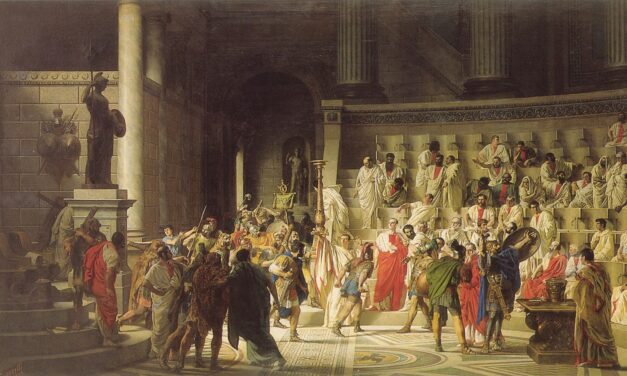
Jewelled eels, beards of gold and unfathomable cruelty: 5 of ancient Rome’s most eccentric leaders

Reading time: 5 minutes
Ancient Roman political leaders could be violent and cruel. Some had odd tastes and were out of touch. Others had wildly eccentric habits that might seem amusing today. But eccentric behaviour combined with almost unlimited power, made some Roman leaders dangerous and unpredictable.

Read More

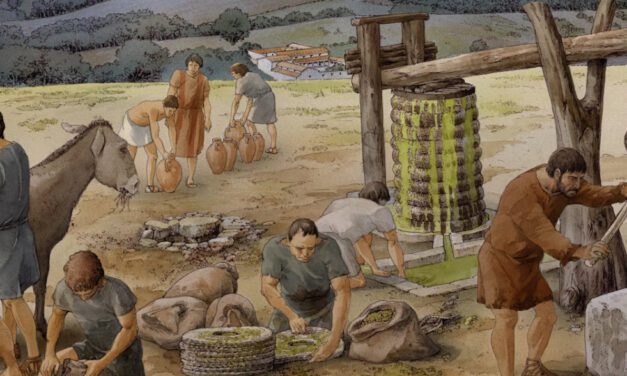
Olives have been essential to life in Italy for at least 6,000 years – far longer than we thought

Reading time: 6 minutes
How far back does the rich history of Italian olives and oil stretch? My new research, synthesising and reevaluating existing archaeological evidence, suggests olive trees have been exploited for more than 6,000 years. The first Italian olive oil was produced perhaps 4,000 years ago.

Read More

Timeline of Prehestory and Antiquity

Reading time: 9 minutes
The text outlines key events in Earth’s and humanity’s history, spanning from the Chicxulub meteor impact 65 million years ago to the 536 AD Dust Veil Event, focusing on major environmental and historical transformations like the crossing of Wallace’s Line, the Agricultural Revolution, the end of the last Ice Age, the North Sea flooding, and the environmental impacts of the Roman Empire.

Read More

Why does culture sometimes evolve via sudden bursts of innovation?

Reading time: 6 minutes
We can see evidence of this cumulative culture in the archaeological record; over time, there’s an accelerating increase in the number of tools people use. But the archaeological record reveals another pattern, too: there’s also evidence for large-scale losses of culture. For example, archaeological excavation suggests that Aboriginal populations in Tasmania lost numerous technologies over time, including nets, bone tools and warm clothing, even though these tools might still have been useful.

Read More

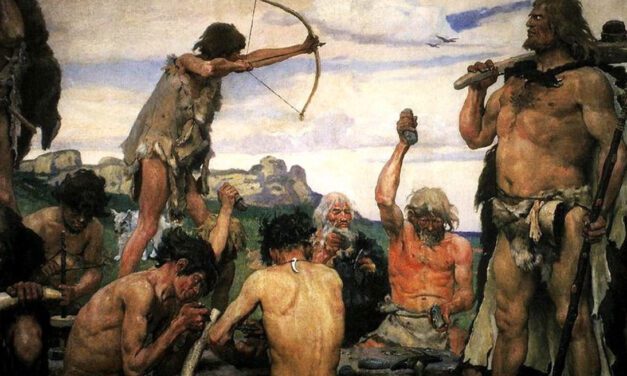
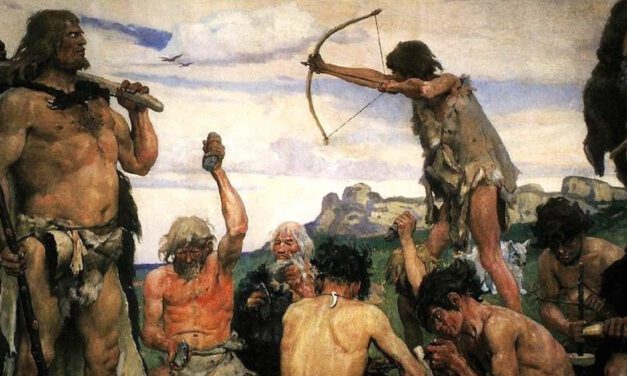
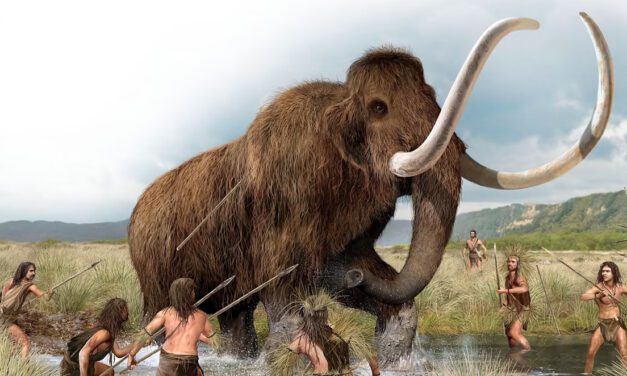
How the extinction of ice age mammals may have forced us to invent civilisation

Reading time: 6 minutes
Why did we take so long to invent civilisation? Modern Homo sapiens first evolved roughly 250,000 to 350,000 years ago. But initial steps towards civilisation – harvesting, then domestication of crop plants – began only around 10,000 years ago, with the first civilisations appearing 6,400 years ago.

Read More
Loading