Category: Political and Economic History

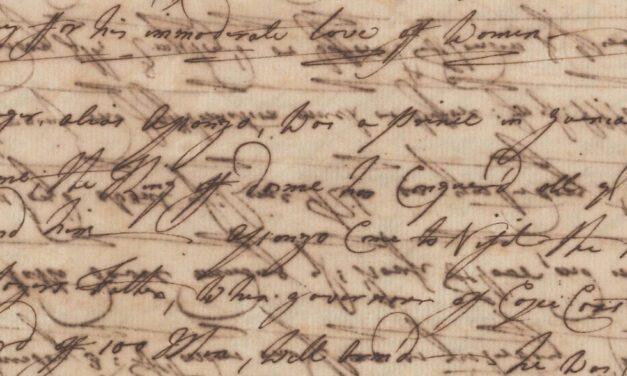
Apongo was a rebel leader in Jamaica – a diary entry sheds light on his west African origins

Estimated reading time: 6 minutes
For over three centuries, between 1526 and 1866, at least 10.5 million Africans were forcibly trafficked to the Americas in the transatlantic slave trade. Over half of them (with known places of departure) left from a 3,000km stretch of the west African coast between what are today Senegal and Gabon. Scholars trying to uncover the lives of these diasporic Africans are forced to work with historical records produced by their European and American enslavers. These writers mostly ignored Africans’ individual identities. They gave them western names and wrote about them as products belonging to a set of supposedly distinct “ethnic” brands.
Read More

Worker Power: How the Black Death Revolutionised Workers’ Rights

Reading time: 7 minutes
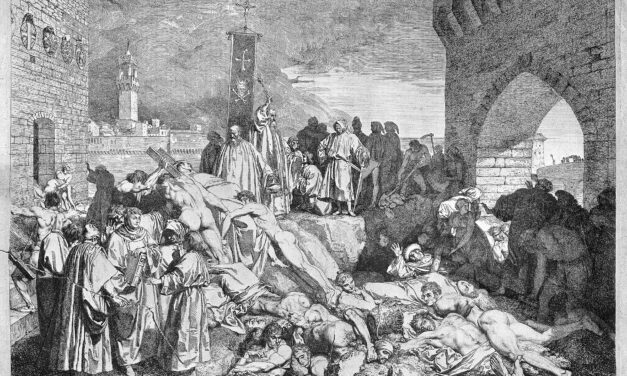
Despite afflicting the world in a serious measure for less than a decade, the black death, also known as the plague, is both one of the deadliest diseases to ever set upon humankind, and likely the most famous.
Between 1348 and 1351, in just 3 years, it’s estimated that the black death reduced the population of England from 4.8 million to 2.6 million, down by roughly 46%.

Read More

Jewelled eels, beards of gold and unfathomable cruelty: 5 of ancient Rome’s most eccentric leaders

Reading time: 5 minutes
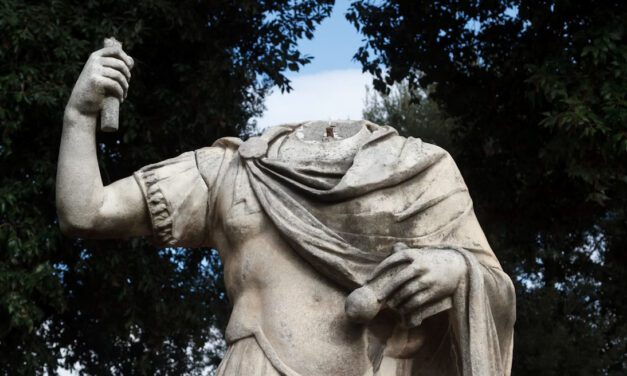
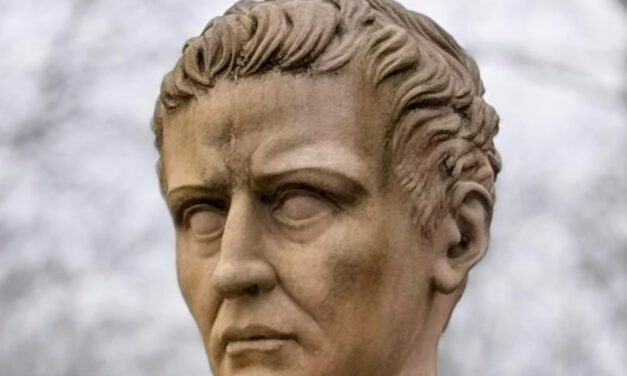
Ancient Roman political leaders could be violent and cruel. Some had odd tastes and were out of touch. Others had wildly eccentric habits that might seem amusing today. But eccentric behaviour combined with almost unlimited power, made some Roman leaders dangerous and unpredictable.

Read More

Olives have been essential to life in Italy for at least 6,000 years – far longer than we thought

Reading time: 6 minutes
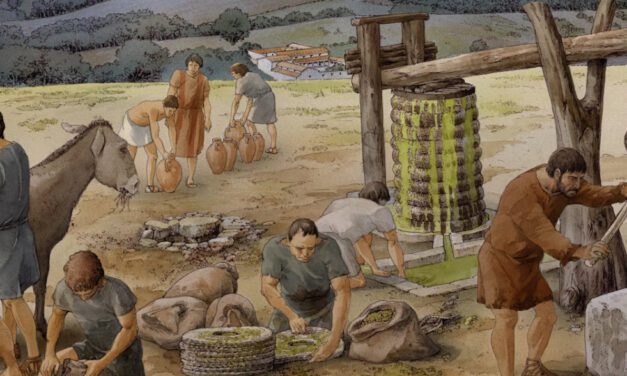
How far back does the rich history of Italian olives and oil stretch? My new research, synthesising and reevaluating existing archaeological evidence, suggests olive trees have been exploited for more than 6,000 years. The first Italian olive oil was produced perhaps 4,000 years ago.

Read More

Survival in Singapore: The Triumph and Tragedy of Australia’s Greatest Commando Operation – Book Review

Reading time: 8 minutes
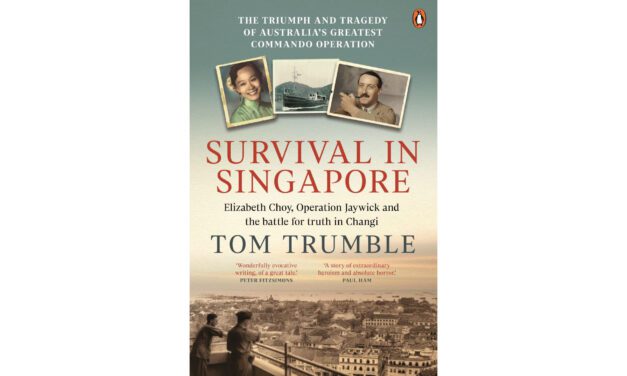
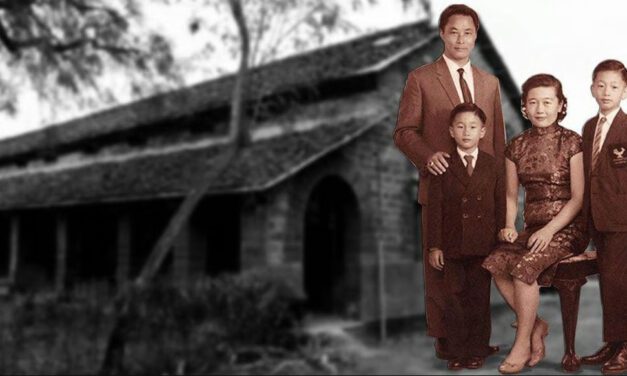
Tom Trumble’s Survival in Singapore offers an unsettling glimpse into one of the darkest chapters of Singapore’s wartime experience – the cruelty unleashed in the wake of Operation Jaywick. Jaywick is somewhat well remembered in Australia, as a daring raid by Australian and British commandos who sailed a disguised vessel, HMAS Krait, through enemy-held waters, hid in the Riau archipelago, and used folboat canoes to attach limpet mines to Japanese shipping in Singapore Harbour. Ships were sunk and damaged; the mission was regarded as ‘tactically brilliant’. Trumble’s book does not deny that brilliance. Instead, it shifts the spotlight to what is far less known and far more confronting; the hideous aftermath inflicted on civilians and internees by the Japanese security apparatus, who were determined to prove the raid must have been enabled by saboteurs from within.

Read More

Report on the British Indian Army, 1943

Reading time: 3 minutes
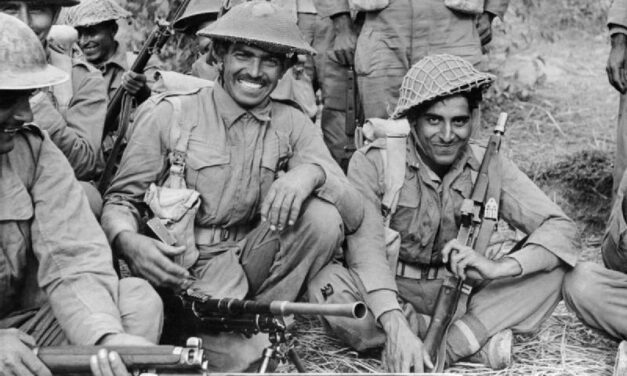
Over two million British Indian Army troops fought in the Second World War. This 1943 War Office document reported on the army’s battle readiness and made recommendations for its development. As India was part of the British Empire when the Second World War broke out, the British Indian Army was called upon to serve in the Allied effort. A volunteer army, rather than a conscripted one, it entered the war as a force of around 240,000.

Read More

How the extinction of ice age mammals may have forced us to invent civilisation

Reading time: 6 minutes
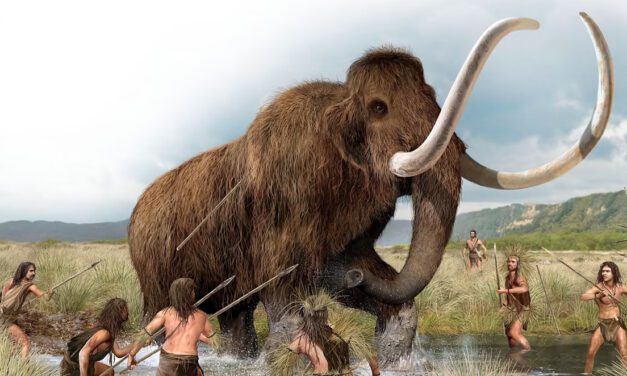
Why did we take so long to invent civilisation? Modern Homo sapiens first evolved roughly 250,000 to 350,000 years ago. But initial steps towards civilisation – harvesting, then domestication of crop plants – began only around 10,000 years ago, with the first civilisations appearing 6,400 years ago.

Read More

The Uncountable Crimes of Imperial Japan

Reading time: 8 minutes
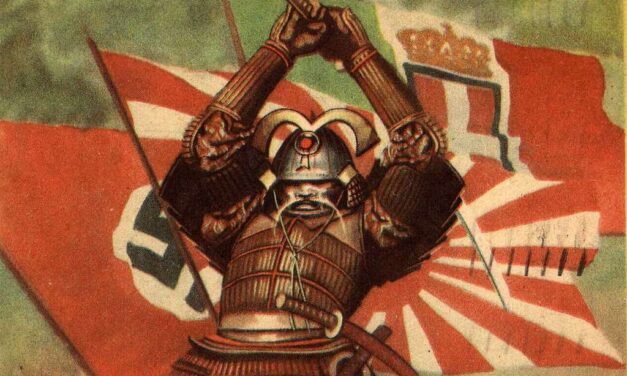
In the west, and especially Europe, the most horrific regime of WWII is often portrayed as the Nazi regime, with Imperial Japan’s role in the wider world war being somewhat neglected – most well known for being the victim of the world’s first nuclear weapons.
What is often not as well-known is just how brutal and cruel the Imperial Japanese Government was.

Read More

Skyrocketing prices are an age-old problem. Here’s how Roman emperors battled runaway inflation

Reading time: 5 minutes
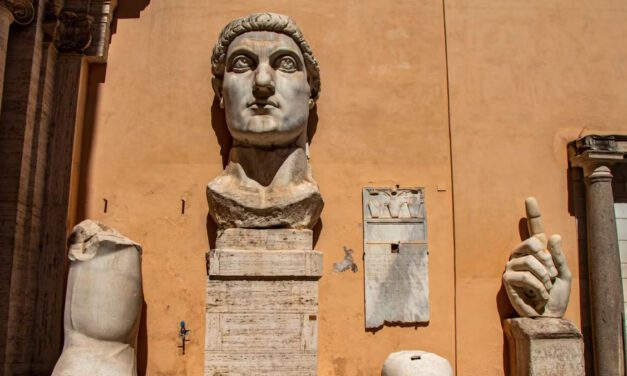
For much of the third century, the Roman Empire faced unprecedented crises, including foreign invasions by the Persian Sasanians and conflict with various Germanic tribes, such as the Goths. There were also civil wars, plagues, disease outbreaks and food shortages. This period is now known as the Crisis of the Third Century. Political stability was a distant memory; dozens of short-reigning emperors were installed and deposed as these problems grew worse.

Read More

Little Ice Age

Reading time: 9 minutes
The Little Ice Age was a period of regionally cold conditions between roughly AD 1300 and 1850. The term “Little Ice Age” is somewhat questionable, because there was no single, well-defined period of prolonged cold. There were two phases of the Little Ice Age, the first beginning around 1290 and continuing until the late 1400s. There was a slightly warmer period in the 1500s, after which the climate deteriorated substantially, with the coldest period  between 1645 and 1715 . During this coldest phase of the Little Ice Age there are indications that average winter temperatures in Europe and North America were as much as 2°C lower than at present.

Read More
Loading